Perspective

I’ve been to the monastery about sixty bizillion times. Give or take a zillion. I’ve walked the grounds, the gardens, the stations of the cross, the Holy Land replicas. I’ve been to Mass. I’ve bought my spring plants here, some of which I’ve kept alive for the summer. Now that’s a miracle!

In addition to an amazing array of roses–red, pink, yellow, white, white with pink and pink with white, creamy yellow edged with a brick red, magenta, orange, blue-red, you get it. So, in addition to this rose cornucopia there are lilies and dahlias and ferns and hostas and lily pads and pines and oaks. And daisies.

Just beyond the entrance, at the driveway that is punctuated by a long strip filled with more foliage and a dark bronze statue of a child on the shoulders of a man, is the church. As Mass ends and the faithful disperse, interlopers with friends on leash are greeted and the leashed are petted by the brothers of St. Francis.

Those Franciscans are quite welcoming to puppers. I’ve walked The Beast through these spaces many times. And the uncles of The Beast–his foredoggers–too. Today was the blessing of the animals. This is an event celebrated during the Feast of St. Francis of Assisi. Folks bring their pets, and they are petted in the most holy of ways. By Franciscans.

After The Beast got his absolution, we walked through the gardens and then across the main grounds and crossed in front of the church. A walkway frames three sides of the grounds around the church. It is the Rosary Portico. I usually make my way clockwise, and occassionally counter clockwise viewing the mosaics depicting the mysteries of the rosary. The mysteries–joyful, sorrowful and glorious–are contexts for the faithful. The monastery provides art and 200 different translations of the Hail Mary. There is really alot going on.

I guess because we had done the blessing thing, when I routed back through the upper grounds I walked into the colonnade smack into The Coronation of the Virgin. For the first time, I saw that the crown that was being placed on Mary’s head was sparkly gold, and the crown on her son was, too. It was beautiful and striking, and I had never seen it before.

Coming into the portico from the bright garden let me see the mosaic in a literal different light and encouraged me to see that which was familiar fresh.

On Purpose?

img_52c6772e7692-1

I was asked–in the course of a conversation so there was some context because this would be weird to come from the blue–if I liked learning stuff about myself. I had to think about this for a little bit. Do I enjoy mining the depths of my psyche? Did I savor unlocking truths about Doc? I rolled this thought back and forth through my brain, considering what it means. Then I was like, “No.”

Seriously, there are so many things to learn that are not me, and I spend plenty of time with me. All of the time. Like ALL of my time. I can’t get away from me. And if I am using my learning time on myself, how will I ever figure out how the blockchain works?

The questioner, unlike my shallow self, really enjoys self exploration, finds it fascinating, revels in the time to attain knowledge of their substance. For them, there is value in the activity itself and in the insight gained.

And I’m like, “Why?”

Why would I struggle through the probing and, sometimes, pain of reflection? Because it’s good for me? I eat vegetables–even learned to like spinach and brussels sprouts. I walk past the closest subway stop to the next one to get more steps in. I cut back on booze. I got a flu shot. I do plenty good for me stuff.

Don’t roll your eyes. I’m learning how to cook fish. I’m learning about how video games are rewiring the brains of especially young men. I’m learning about institutional racism. I’m learning how to get rid of the damn raccoon that’s trying to move in without paying rent or signing a lease. I’m learning how to change my wiper blades. I’m learning which bus can get me to work when the Red Line closes down next month. I’m learning  the limits of political decorum and gridlock. I’m learning about the Outkast catalog.

So, ambient learning about me? I don’t think so.

I don’t like to do things just to do them. I don’t get jazzed about process as much as I do results. So, all of the self-learning that I do is about outcomes. Understanding my role in an argument with The Spouse so my apology is meaningful. Being the boss who helps staff succeed. Figuring out how I contribute to the pool of general negativity so I can combat it. Mastering my triggers and maximizing my strengths to be a better Doc.

I don’t want to know about myself. I need to know about myself.

In search of my mother’s garden, I found my own. ~Alice Walker


Without Character

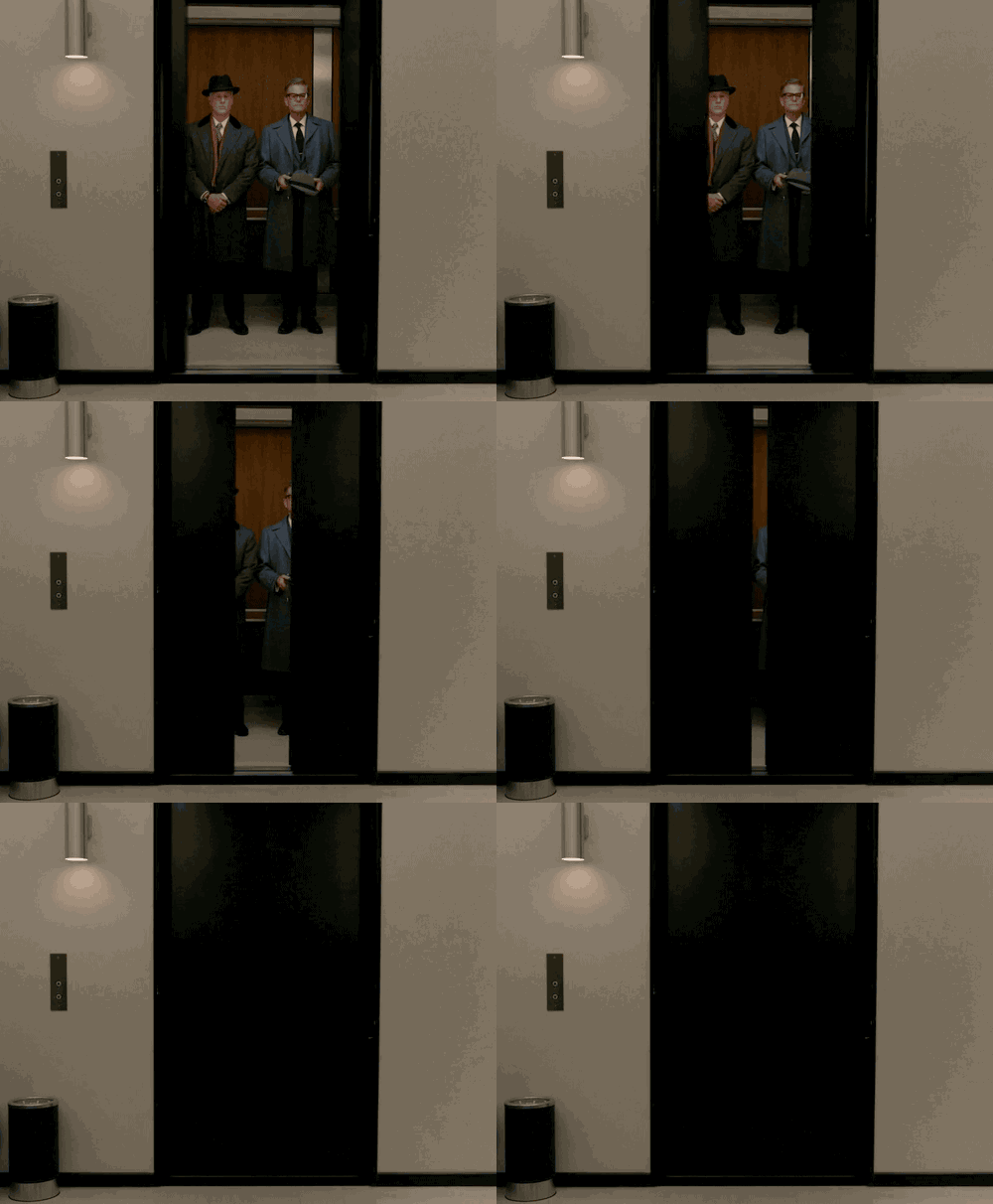
A nondescript elevator with two white guys from the 60s madmen era with fedoras with the doors closing.

There isn’t anything authentic about a convention center. It is the Muzak® of buildings. Taking strains of something that had a soul and stripping it of anything that makes it itself.

After lobotomizing originality, next to be removed is anything human. Voice, words, breath, a pause? All excised. Any instrument that conjures an image of fingers racing along keys, pressing a valve, strumming strings, holding a bow or grasping sticks? Also eliminated.

All you have left is a lowest common denominator tempo barely holding up the weakest strains of a strained melody. And when you hear it, the bleached skeleton picked clean of flesh and blood, you get mad. Because it used to be something.

The worst, most generic chain motel gains charm in comparison to the empty cavern of a convention center with its too high ceilings–in case someone booked a boat show and need to showcase a hundred foot yacht, or maybe a grouping of humvees, a tank and a Blackhawk on blocks for a military show of might. People love getting their pics standing near the turret of the tank. But that doesn’t make the convention center any less bland.

The colors in the convention center do not stimulate the rods and cones at the back of your eyes. Even the use of orange, when contrasted with the old wool blue gray in the carpet, doesn’t jiggle your brain. At best, you mark it as something that evokes the color orange and dully move along.

The chairs in the rooms are not camouflaged. Not really, but they could be. They almost always have a gold or silver frame. This is so you can differentiate among the individual units. I was going to say differentiate among them in the dark, but they would all fade together under light, too. The metal does not shine, though. It does not catch your eye. It is matte. Almost a silent signal.

Even the food in the convention center is without taste. Whether it’s a box lunch, purportedly with an Italian sub or a roast beef and horseradish on pretend ciabatta (it’s just the shape of ciabatta), or a sit down meal at an awards dinner, the food tastes like the food in a dream.

You know that dream. The one where you have an ice cream cone in your hand and it’s dripping a bit on the side. It’s piled with two big scoops. And your dream self puts it in your dream mouth and your real brain registers no flavor. I usually wake up then. It’s the equivalent of a nightmare, I guess. Well the food at the convention center is like that. Even the potato chips.

There are windows around the sides of the building. They are huge plates of glass, and yet there are no streams or streaks of light. It just surrounds the building and substitutes glass for walls with no real contrast. Maybe those aren’t windows. Maybe those spans are just a slightly different shade of wall.

Leaving the convention center, there is an exit with a set of stairs. These stairs are dangerous because you can’t tell the steps apart. It’s just that same Muzak® carpeting that leads you out of the Muzak®-filled elevator and out into the noise and the dark or the light of a real street. Look, there’s a pigeon strutting along the sidewalk! Something is alive.


Zero to Infinity

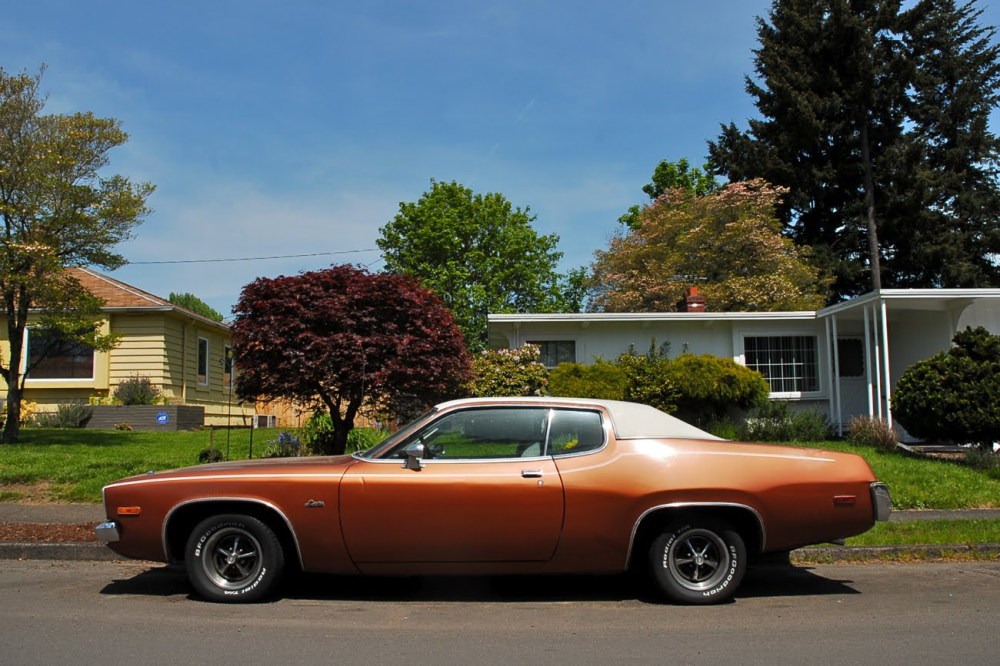
Plymouth Satellite Sebring parked on an idyllic suburban street.

My Older Sib cracked up Dad’s car within ten days of getting her driver’s license. Twice. She lost her driving privileges after the second crash. She also lost my driving privileges–eighteen months before I could get my own license. Collateral damage.

Our suburb, like all Detroit suburbs, wasn’t walkable. It was a bedroom community for people who worked for the Big Three. There wasn’t any public transportation to speak of, I think GM blew up the bus system. This meant that for pretty much all of high school, I had to bum rides with friends to go to the mall, games, post-game grub and parties.

When I got my first job, Dad was my taxi–even though there was almost always a car available in the garage. He could have made this easier on himself if he didn’t hold me responsible for the Sins of the Older Sibling. The drop off and pick up ritual became less painful for Dad when my boyfriend began to cover many of the evening shifts. Dad always seemed to like that guy, maybe I just figured out why.

It’s not like I never, ever drove. It just had the same frequency as a blue moon. This made me an inexperienced driver. My friend Jenny drove everyone around. She was a good driver because she drove a lot. She also didn’t drink which was good for the rest of us piled in and draped all over each other in the front and in the back of her mom’s Pontiac LeMans as we went from the liquor store to find an old guy to buy us beer and then to the football game where we drank the beer in the parking lot and then to get some pizza to sober up and cover up the beer stink.

Dad had a true blue 1972 Plymouth Satellite with a big V-8 that spent the winter months stalling and not running well at all and the summer months barely holding back a vicious growl. It was a dud in the winter. It was ready to go in the summer.

On the day of a blue moon, I was gifted the great privilege of driving myself to work. I’m not going to lie. It was awesome. I felt like the most grown up and amazing person. I had the windows down and pushed the tinny speakers past their safety, blasting WRIF–the Home of Rock and Roll–so everyone would know that I loved Bob Seger, too. I pushed in the bulb of the cigarette lighter and waited the amazingly few seconds for it to pop. I almost stared at the red hot coils concealed in the lighter casing. I lifted it to the cigarette in my mouth, barely missing being clumsy enough to burn my cheek.

I used my mirrors and my blinkers. I stopped at the stop sign and waited for the light to turn green before making my right turn. I had Dad’s car parked in the lot behind the restaurant before I finished my smoke. I considered driving around the block, but these suburban blocks were not square. They were filled with squiggly roads that doubled back on themselves or deposited you in a cul de sac without a exit to the main road. I knew how the streets worked in my subdivision, but was ignorant of the worming in this one. I didn’t drive. I didn’t know.

I was closing this night. It must have been a Friday or a Saturday since we didn’t close until midnight. There was a little less than an hour’s worth of closing tasks. There was the teenage manager and the grill guy, me and another girl. I was over the moon to be able to offer a ride to my shift-mate.

It was a congenial crewe, full of the banter and bullshit of a group of teens who just closed the store. We were feeling our oats. There wasn’t anything to do. The only thing open was the 7-11, and we already had all the coke we could drink. It was time to go home.

The grill guy walked up to his dad’s car in the lot. It was a long, long, long red Cadillac with a white vinyl half-top. The street lamp shone off the chrome surrounding the squared off headlamps. The grill guy was feeling pretty powerful, too. He started talking smack about how fast the car was.

“Oh, really? Not faster than this big blue monster in the summer.” I then quickly copped to the fact that it was a winter lemon. The grill guy jerked his head up.

The grill guy was very tall. He was a tall guy with translucent white skin topped with a head full of more red than brown loose curls. He wore his hair unusually short for those days. He was jonesing for a promotion, perhaps even a hamburger slinging career. He tried to hide his height by scrunching his head into his shoulders and scrunching his shoulders as close to his hips as he could. But when I put out the challenge he almost straightened.

“Yeah? Right. That’s not going to beat this Caddy.”

“Let’s go.” I ran to the passenger side of the Satellite to unlock the door for my girlfriend. He ran to the red car, chased by the teenage manager that he was giving a ride home. We were going to head out on 13 Mile.

It wasn’t a real race. We didn’t have a start and we didn’t have a finish. We were just going to see who was faster.

I fumbled with my keys and with the ignition and with the locks. Nobody used seatbelts then. I turned up the radio and rolled down the window. But the Caddy was already leaving the parking lot, heading toward the intersection at a good clip. There was a red light in front of us, and nobody on the road. It was after 1 a.m. I turned left into the corner gas station to skip past the light and take the lead. Oh the cleverness of me!

The light had turned just as I peeled out of the gas station. The red Cadillac was hot on my tail and looking to pass me. I hit the gas. He was gaining on me. My co-pilot was beginning to hyperventilate. Oh hell, there wasn’t time to begin to do anything. She started to scream. “SLOW DOWN! THIS IS TOO FAST”

I looked down at the speedometer needle that was moving past 65, past 75. The grill man still in hot pursuit. I was at 85, 95 and I knew he was, too. The needle continued to 100 and then 110 and up to 118. The Cadillac was lagging. I don’t know if he got over 100 mph, but when I checked my mirror, he was done.

I took my foot off the accelerator and the car slowed. Or at least it stopped going faster. I gently tapped my brakes. I didn’t want to fishtail. I don’t know how I knew that. Maybe I observed this as a passenger. Anyway, it seemed like it took a long time for the car to drop down to a normal speed. That’s when I realized that we were going fast. On a two lane road with a gravel shoulder. I was focusing on the race, not the speed. And the speed was exhilarating. To me.

My companion was no longer speaking to me. She had blown past her red zone. I don’t know when she stopped yelling, but her silence was worse. She was so angry. I had terrified her. I apologized. She never got in a car with me again. I never drove that fast again.

Me and the grill guy were just going to see who was faster. But that’s not what we did. What we saw was who was willing to push the risk. I am not saying we were testing our bravery, because the activity was stupid. It’s not brave to be stupid. We simply pushed each other in ways that people do when they are showing off. We had our hubris on full display. We were having fun and sped off like adolescents do. The grill guy listened to an inner moderator. Me? Not so much.

I didn’t drive Dad’s car into an accident, and it wasn’t the last time that I raced. But it was the last time I pushed a dare too far. But nobody crashed. Nobody was hurt and yet, it was too far. The truth is, you don’t have to drive off a cliff to go too far. Lesson learned.
First Affirmative, Second Negative

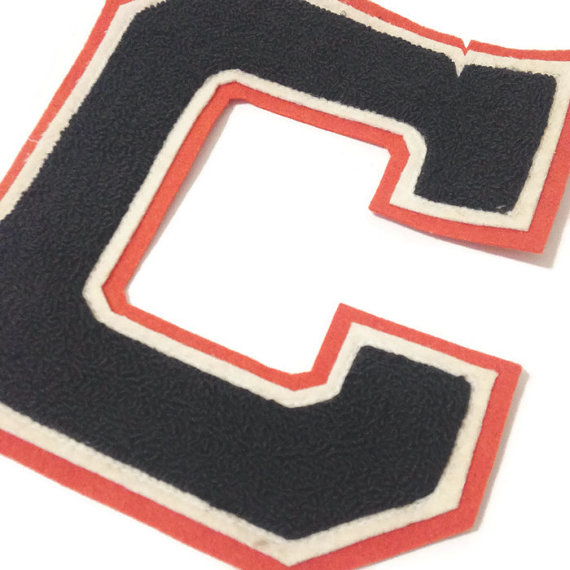
varsityletter

I debated in high school. I was better than decent but not excellent. Debate was the activity that best prepared me for a competitive school.

When I got to campus, I discovered that my classmates–from fancy eastern boarding schools and superlative public schools in Shaker Heights–already had college credits. I was all like, “Whuh? You can do that?”

Who knew you could take some tests and walk in a semester ahead? Not me. There were plenty of things I didn’t know. Nobody in my family had been to sleep away college.

But I did place out of freshman comp, unlike 93% of my classmates. Because I debated. The frosh comp graders looked for clear structure and organization. I knew how to quickly form an argument, create an outline of support and evidence and deliver a conclusion that summed up.

Traditional high school debate is all about ideas. It works like this.

  1. Somebody #1 makes a case of ideas using a bunch of evidence that they cite, chapter and verse.
  2. Somebody #2, in the opposition, directly responds to the ideas of the first somebody. #2 answers #1’s ideas directly. All of them. Each of them. If they don’t directly respond to an idea, they lose that point. Evidence is key here, as well.
  3. Somebody #3 presents a case that fixes the issues that Somebody #1 identified at the start. Backed up with evidence. This evidence thing keeps coming up.
  4. Somebody #4 tears the case down. More evidence.
  5. They rebut the case and the case for the case in the same order. And they have to at least mention all the prior arguments. If not, Somebody #4 comes up and says to the judge, “The First Affirmative did not address the ideas of my partner so they all carry for us.” That’s always cool. You can totally win on that. We did. More than once.

So there is a structure and points and usually a definite winner and loser. Reputable evidence is key. Sometimes you’d win a point over a “fact and citation battle.” (I know, exciting, right? We didn’t call it that, but that’s what it was.) One year I had an evidence card that cited the NE Journal of Medicine. It was during a year with a law enforcement topic. Nobody else went to a medical journal. I won maybe five matches on that one highly destructive fact from a legit source. Boom!

This is not how presidential debates work. There are questions, but the answers don’t address the questions. There are right-turn pivots to a point the candidate would prefer to talk about. Dropped arguments litter the stage, nobody picks them up. Well, maybe the sad moderator tries to put them back in play. It’s futile.

And evidence? Definitely not required. And definitely not required to be sourced. Say what you want. Say it again. Interrupt. Make your same point. Be aggressive in the face of a contradiction. Introduce non-sequitur, ad hominem attacks on your opponent. Light the dumpster on fire.

I wish they would chose another name. It confuses me. This is not a discussion about ideas. This is not a debate. But there are winners and losers.


Et Tu?

President Obama and Laura Bush watch first lady Michelle Obama embracing president George W. Bush at the dedication of the National Museum of African American History and Culture.
Who are the Americans in this picture?

“I, too, am America,” said the president. The President of the United States of America, that is.

He didn’t just say it once. He said it twice, but it seemed like I heard it at least four times. How ridiculous that the democratically elected leader of the free world would say it even once.

But that’s because since he became president, some have been trying to delegitimize him. To say he wasn’t American. That he is other.

I can’t tell you why. I don’t doubt that there are multiple reasons, and I’m sure that different people have different justifications and different combinations of pretext.

But thinking about it, when folks see people as other what does that mean? If they are other, are they not people? Are they animal? vegetable? mineral? monster? Does that make it easier to dismiss that other? To strip from them their humanity, their fears and struggles, their dreams and loves?

It’s pretty easy to be an American, though. In fact, we’ve welcomed people who are tired or poor. We’ve embraced huddled masses yearning to breathe free. We’ve provided refuge to the wretched from another country’s teeming shore. We’ve provided a future to the homeless and those tossed by tempest.

America has work to do in order to live her ideals when it comes to people of color, people of non-Christian faiths, people who have different abilities, people who are poor, people who don’t fit heteronormative beliefs, people of different backgrounds.

But who is that “America?” Is it other? Is it not her people?

I, too, am America.

Ouch.

Poured Out

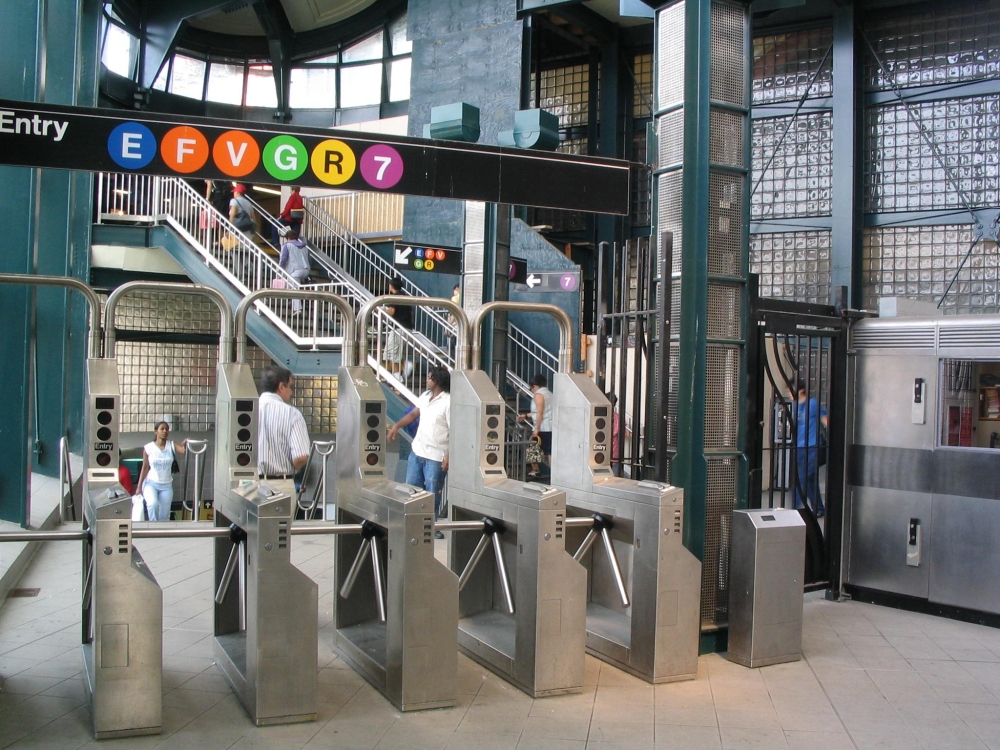
Turnstiles at New York subway stop at 74th station and Roosevelt.

It was his first day on his new job. He wasn’t very good at it.

He always saw himself as an entrepreneur. The business owner. The man who made it happen. Bringing in bank. Making a killing.

This was his first attempt at his own business. He expected a slam dunk. He’d seen others do this work, and they were much less articulate, less attractive and even less orderly than him. They seemed to do okay. He’d do much better.

He stood in the upper level of the subway platform with his khaki flavored jeans, a long sleeved polo and his boat shoes. His brown bangs swept a bit to the side, his lanky seventy-four inches posted up like a beacon.

“Do you have a dollar? Four quarters?”

People looked at him. They thought that he needed a dollar to get on the train, but that wasn’t what he was asking for.

He looked at the people passing by, heading most likely home after a day at museums and festivals and maybe an afternoon tipple. It was Saturday. Nobody was stopping. Nobody even looked at him. No hands went from their pockets to his outstretched hands.

He’d been at this for almost forty-five minutes, and he wasn’t getting any money. He was losing his patience. He stamped his right foot.

“I can’t believe this,” he said, mostly out loud. He directed his frustration to the oncoming passengers by stomping his right foot again and raising both the volume and the pitch of his voice.

“Do you have a dollar? I’m HOME-LESS,” he bleated. He dragged the word homeless out. It sounded whiny and embittered.  He looked like a bro who couldn’t find his frat or someone who was doing a social experiment for his psychology class. People didn’t mark him as needy.

He figured he could make $20-30 in two hours. He saw people putting money in a bum’s cup. The guy didn’t grasp that people commuting on the train to or from downtown were not opening their pocketbooks for every homeless person they encountered.

Some, like him, never give. Some always give. Some give when it’s cold, when someone has a child with them, when someone looks like they need to go to the hospital or whatever tips their generosity scales. There had to be a connection. He wasn’t connecting.

As more people walked by, the guy was getting more resentful. He had been kicked out by his roommates just five weeks into the semester. It was his temper they said. And his awful mouth when he drank. But they all partied and so when things got broken he didn’t understand why they expected him to replace everything. And they were all trying to get laid so he wasn’t any different from them, no matter how that bitch lied. Whatever happened to bros before hoes?

His roommates let him leave his stuff until he found a place. The second night in the park was less of the adventure and more of a drag than the first. And he missed class yesterday and today. But he only had to scrape enough dollars for a bed under a roof for a week. There’d be money in his account at the beginning of the month. Craigslist was the move. Someone always needed a roommate.

This panhandling wasn’t working out. He had forty-six cents. He still had money on his subway card and a few bucks in a pocket. He’d go back to campus and take a shower at the gym. Maybe he could sleep there. He figured he’d stop at the corner store. He had enough for a small bottle. If not, he could sell a few cigarettes to the real bums.

Hopscotch

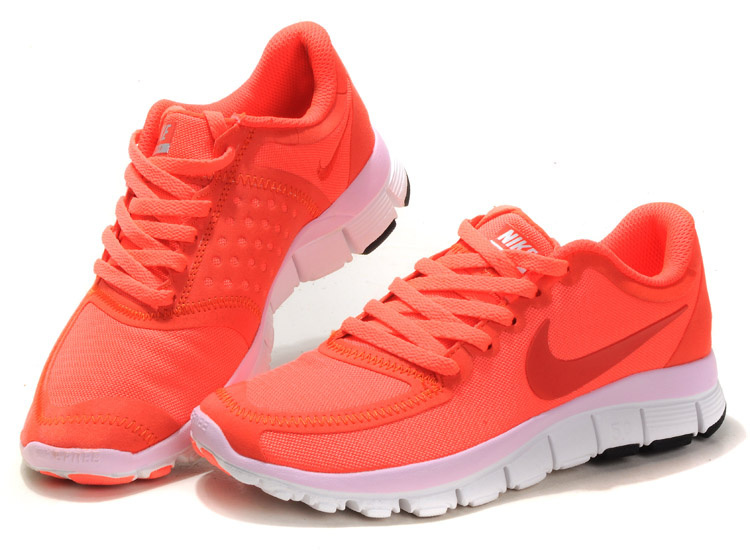
Bright orange sneakers.

It wasn’t actually a lunge. Lunging connotes quick, sudden and direct. Hers was more like a floating surprise into someone else’s space. It was an interruption, but certainly without direction.

The woman who was interrupted expected that she would be asked for money. But she wasn’t. There was no ask. There was no recognition from the glassy eyes bobbing in front of her.

The other woman, the one who floated in a surprising way, was dressed in a bright orange track suit. It may have been velour. It had a fuzzy look to it. It may have been terry cloth. The jacket was zipped up high, up to her neck. The fit of the pant and the jacket made sense on her long body.

She had one of those jumbo wheeled folding shopping carts next to her. It was filled with bags and maybe a blanket. There was a cigarette lighter and a half pack of Newports in the drugstore bag on the top. There was also two orange bottles without the child proof tops. It was her prescription medicine. But it wasn’t the scripts that glazed over her face.

Her eyes were almost hazel. So they were hazel since they had a bit more color than brown. They bulged out a little bit and the whites had thin variegations of red.

The orange sleeves of her jacket, while filled with her arms, seemed to not belong to her torso. They moved independently of her body. Not in a convulsive way, but fitfully aggressing through the nearby air. She levitated back and forth from the curb to the middle of the sidewalk, like a tethered helium balloon that was starting to loose it’s bounce. Her movements were without rhythm, without rhyme, yet fluid.

Gliding in and out of the lunchtime foot traffic, she silently forced the people seeking sandwiches and grain bowls to move out of the way. Most were glad to avoid her, but a few looked for the cup to toss in some coins. When they searched to end of her orange cuff they only saw a burning  menthol that she never drew to her mouth. And then she receded back until her next teeter into the next wave of pedestrians.

Inaccessible = Unacceptable

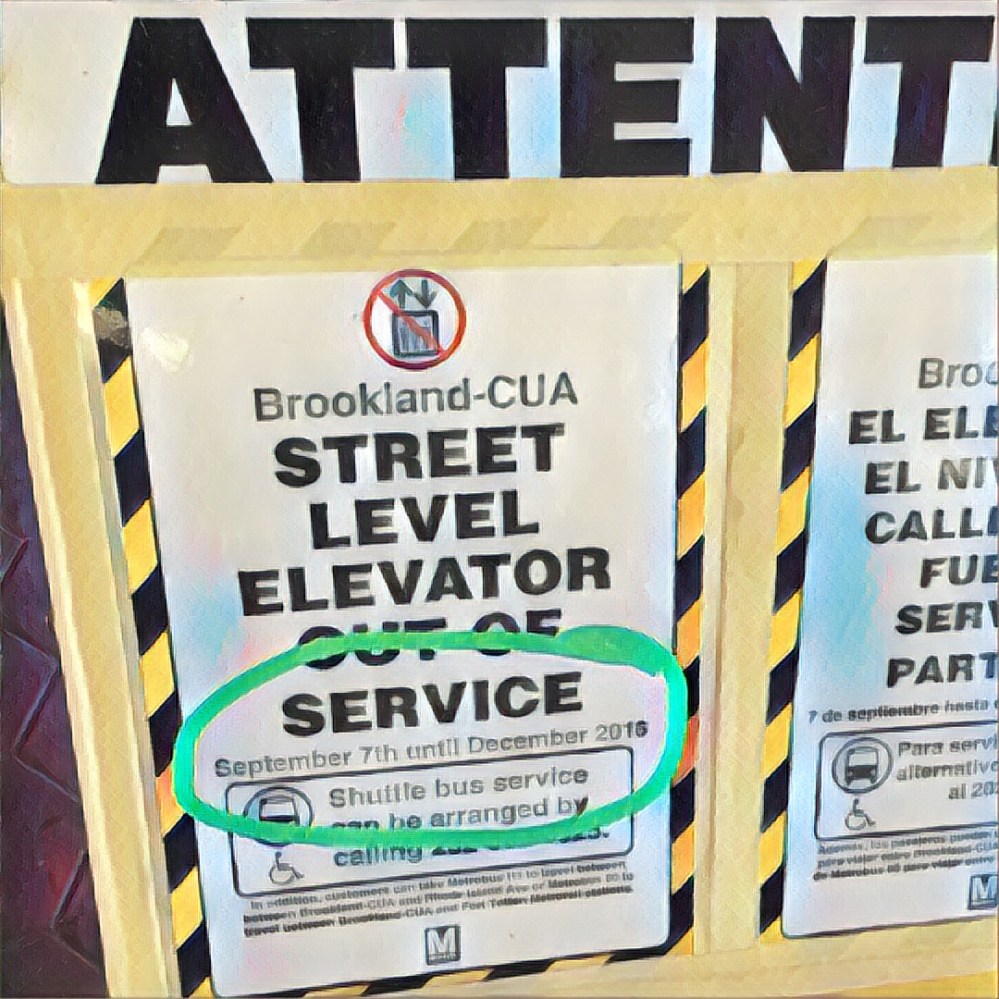
Sign at the metro station telling people who need an elevator to call some body to get them a shuttle bus. But not from this station. MAD!

Dear Metro,

I hope it’s okay that I call you “Metro,” since you have so many names. We call you the train, subway and, when we want to get most official, WMATA.

What is the name that we can call you that will get your attention?

Because if I had your attention, you would know that I am not shocked. I am not appalled. I am not sickened. No, I am angry, with the shutdown of the elevator at my stop.

Do you have any idea that this is the stop for the National Rehabilitation Hospital? For the Washington VA Hospital? For the Washington Hospital Center? Did you know that these major hospitals serve many people who use wheelchairs. That they need to use their wheelchairs to get to their appointments, their therapy sessions, their chemotherapy?

So when you shut down the elevator at the station that serves these hospitals, you are seriously impacting the people trying to access services they need.

I get that the elevator needs to be “improved.” I can even accept that to switch out an elevator takes four months.

Okay, I can barely accept that. If you were building it new, it wouldn’t take four months, would it? And if it takes four months, why is the first month building the walls around it to close it? I only ask because I haven’t seen anybody working on it. But there’s green painted plywood blocking it.

But I’m thinking if I’m in a wheelchair and I have an appointment to see my doctor and I get to the station, I’m stuck. I can’t get out of the station. I have to call a random number on the flyer to transport me from another stop. And I have to get back on the train and go to that other stop.

Do you think that’s okay? Do you think that pasting a paper sign over a “wet floor” stanchion is decent notice? Do you think it’s cool to require somebody to call a number for a ride? Don’t you think that the shuttle should be waiting at the stop? Which stop, you ask? How about all immediately surrounding stops?

This makes me mad because the person in the wheelchair is already put upon by the fact that the elevator is on one side of the tracks. So if you’re coming from the campus side, you need to roll another half mile to get to the elevator. You know, the elevator that’s out of service for four months

Seriously, WMATA, is there any way you could make it harder for folks who need an elevator to get to or from your platform? It’s like you want to fail. Like you want to turn people away. Your accommodation accommodates only in the abstract. In practice you suck. You are not coming within a western state of complying with the spirit of the Americans with Disabilities Act. From 1990. I was there when it was signed. By the President.

The subway could–theoretically–be a way for people with disabilities be more independent. Not this subway. Not at this time.

Please fix this most soonest.</rant>
Sincerely,
DocThink

#unsuckdcmetro

Sign of Time

Sunset from the porch.

Summer isn’t giving up yet. Nope, not yet. The trees are still sporting a full green suit. Daytime temperatures are squarely in the 80°s. Charcoal and lighter fluid scent evening strolls on most nights.

There’s still no requirement for sweaters in the evening. I think we’ll have weeks until that morning when you look at the basil and it is a black-green from the cold.

That said, the earth is still circling on it’s crooked axis around the sun and moving our hemisphere out of summer. While a sweater is not required, it is not unwelcome by bare arms, either.

The peaches and sweet corn are long done and the tomatoes are less heavy. You can plant those fancy lettuces without them burning up or bolting. The pools are closed. The traffic is back to heavy.

But mostly, it’s the day itself. Long days are gone. They’re tucking in earlier and earlier. I wake up just as the sun is chasing out the last shadows, when a few weeks ago the sun shook me awake.

It’s the end of the day that I notice the most. Last week I stepped out of my office into the opening strains of the dusk overture. This week when I walk to the train, I am steeped in dusk. Dinner, that is served at the same time according to the clock, isn’t making it to the table until after nightfall. The candles that were for show are now for light.

I love the fall. I love all parts of it. It might be my favorite season. Except. Except the thieving of my day. Of the shrinking of time. Of the march to the darkness of winter.

But the autumn sunsets are the most beautiful. The oranges are the most orange and the streaks of pink are the brightest against the indigo sky that reaches to infinity. So as the days seem to collapse on themselves, the sky opens up. And soon, I’ll look up and see my old friend Orion who’ll guide me through these months of short days.