Roiling

In Alaska's Katmai National Park, there are abundant sock-eye salmon in the rivers and abundant bears hungry for them. Here a brown bear bounds and splashes after a school of the red fish.

I’m not that person who simply cannot sit still. I’m happy to sit. On the couch all day. Football game after football game and any and every Olympic sport in a row. Binge watching Agents of Shield, Modern Family or Jessica Jones. Wasting hours on social media avoiding FOMO or trying to write this stuff. I spend hours on “photo editing.” Counting wave after wave hitting the shore while sitting on a towel. I can do chores in my mind with eyes closed. I bet I’d be good at hibernating, too.

But I’m feeling that shimmer. That tweaked tuning fork oscillating back and forth that you feel more than see. The vibrations of an eardrum working up sound. The whir of hummingbird wings that you can’t see, but you feel the engine of their 70 beats a minute. The coming together of cold and warm air in the creation of a storm.

I’m not really restless as much as agitated, but like the piston of a washing machine, not like anger. I wonder if I’m blinking more. Is the hair on my head quietly undulating, unseen by a passing family member? I am perched on the edge of, I don’t know. Something.

The Spouse asked me if I was coming down with something. I don’t think so.

I told him that I would sleep it off. We’ll see how that goes.

Motion, less

The Beast looks outside through the window with a bouquet and vase next to him.

What is still?

The Beast poked his head out the open window. There was no glass. There was no screen. There was only a frame for him to rest his head and stick his snout out into the world. There was no barrier between him and the outside.

He sniffed left and right without moving his big, block head. He raised his nostrils one and then the other from the tip of his scent-hound muzzle. He investigated that which was happening downwind, but, the concentration of smells rode the jetstream of air from the north. There was some mowed grass and a hint of the shampoo from the damp hair of the mom jogging by and pushing a massive three wheeled stroller. He was able to also pick out her warmed deodorant.

There was the delicious aroma of whatever was happening in the compost bin. There was some funk and some sweet and some sharp and some fire. It had rained most of the weekend and there was some leftover dampness–wet dirt, wet grass and those mushrooms that just appeared out of nowhere.

The rose bush was blooming one more time, but the sweet fresh fragrance was overshadowed by the base muskiness of the mums that were brought home to brighten the front yard. He smelled both, though.

The flies buzzed around his head and out the open window into the cool air. One or two tried to fly back into the warm house, but were caught in the heat-cold exchange and pushed back out.

The Beast’s head rested on the windowsill next to a vase of fading flowers. It was a beautiful still life, colored by the late morning sun streaming into the dining room. But this was no inanimate subject matter. There was hundreds of small movements happening, all at once.

Courtyard by Hotel

She stood up and rearranged herself–her slacks, her jacket, her bags and her bones, including all her vertebrae from where she was just perched and up through the base of her neck. She shook out her legs to straighten her knees. She snapped up the front of her vest then yanked the bottoms of her pants. She wanted them to meet the top of her sandals. She was together now.

She was done with her squagle. That’s what they called the bagel-like fare from the corner shop. It was square and had a hole in the middle. She was full after eating a quarter of it. The pigeons nearby eyed the rest. These were very fat pigeons. They were not hungry as much as they were greedy. They made some pigeon sounds and slowly strutted in front of her. The better to catch her attention.

She began to tear her roll into chunks. She tossed the chunks on the bricked patio. Then she wished she could take them back. They were so jagged and ripped. And big. Too big. She wished she had taken the time to more cleanly tear them, and to tear them into smaller, more accessible pieces for the birds.

She reached into one of her bags for another squagle. She carefully tore it in half. She was very deliberate this time. She eyed the middle and split it from the top. She placed one half in the bag to her left. She kept it at the top because she expected to return to it soon.

She looked at the bread in her hand. She pinched off the corner, then picked at it and picked at it until her lap was full of small pieces of bread. She picked a piece up and tried to make it smaller. It was still too big. She frenetically pinched at the edges, trying to make the bread into the specs of flour that it came from. She needed them to be smaller. The birds strutted closer and then flapped their wings, slightly alarmed, as her motions became wilder.

Her head shot up and down like a piston to some internal metronome as her hands plucked at the bread in a frenzy. Sweat beaded at her temples. She reached to unsnap her vest when a gust of wind scattered the tiny crumbs from her dark lap in a swirl. But the pieces were too small for the birds, there was really nothing left.


Dozing

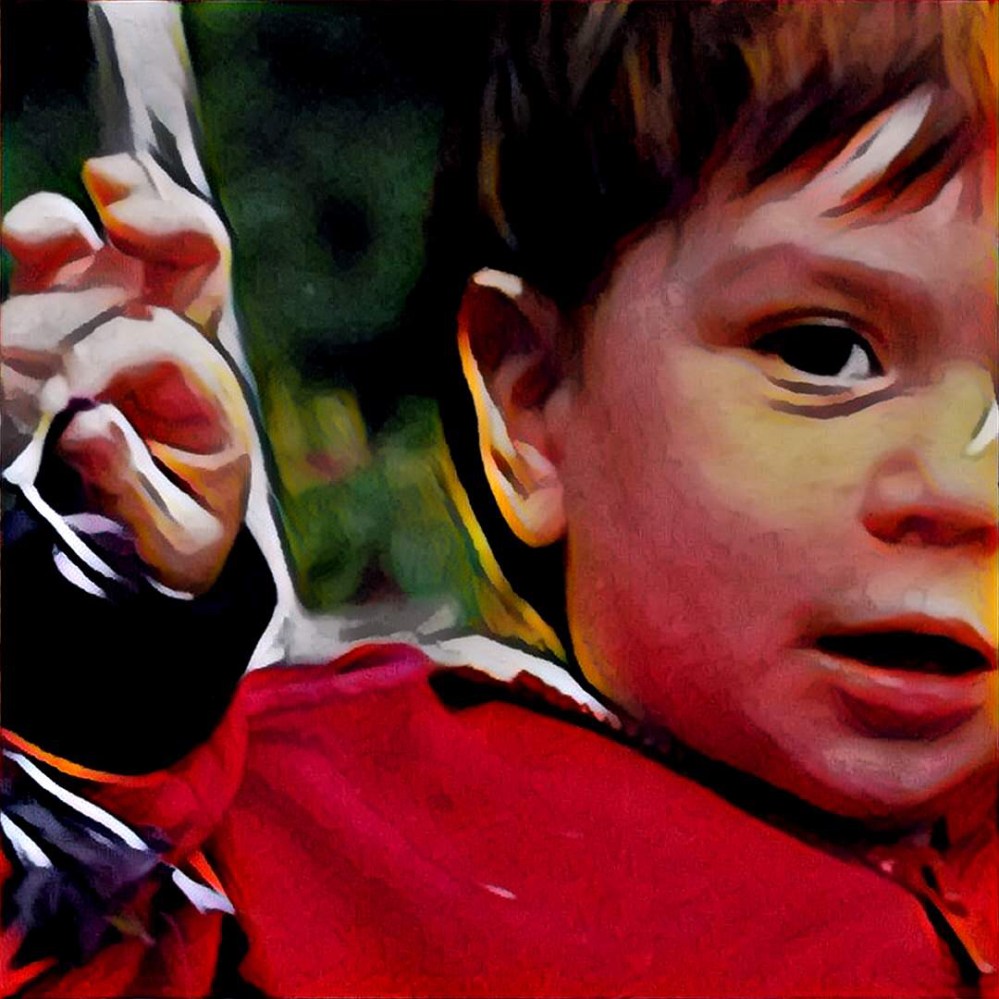
A baby with fat cheeks.

He was definitely still a baby, but was increasingly more independently busy. Increasingly, in this case, used as a multiplier for more. It was happening fast.

Walking was always at top speed so you’d call it running. There was jumping and dancing, too. Words, and sounds that mimicked words, would tumble from his mouth. They would have the cadence of conversation, and likely a meaning that was uninterpretable, for now. He could clearly convey, “No,” usually when admonishing the dog. “No, babau” or whatever he said that meant dog.

It was time for his nap–remember he’s still a baby–but he was using his found power of no on his mother. She needed him to stop being busy for a bit. She had some busy of her own to do. Also, he was tired and she wanted to stay ahead of that.

She lifted him up and gently placed him in the bed. He sat up. She knew if he stopped for a few moments, sleep would win. She stretched out next to him and put her hand on his little back. He turned his head toward hers, lifting his chin so he could see into her eyes. They were just like his.

She saw her reflection in his eyes. She whispered a little hushing sound just above his head. She looked at his big round cheeks, rosy pink in the center dissolving into the smooth, clear porcelain at his rounded chin and his tiny nose. She brushed her hand on his cheek. It was warm, fueled by his little furnace inside. He sighed a baby sigh, and she felt his body relent a bit.

She locked eyes with him. He wasn’t going to let her out of his sight. She thought his eyebrows were perfectly formed, a light brown hinting at auburn framing his green eyes. With those lashes. Those long curly baby lashes coveted by all the women. He blinked. It was starting. He blinked again. She answered with a slow blink of her own.

She loved watching him fall asleep. The long, slow blinks that would get longer and slower until his lids were too heavy and would not flutter open. She couldn’t move too soon, otherwise, it’s back to the coaxing stage. She rubbed his back. He lifted his little hand and placed it on her cheek. Her heart swelled. She knew he was sleeping when she felt the wet, warmth of his perspiration. He would flash just as he fell asleep. And then she, too, was asleep.


Without Character

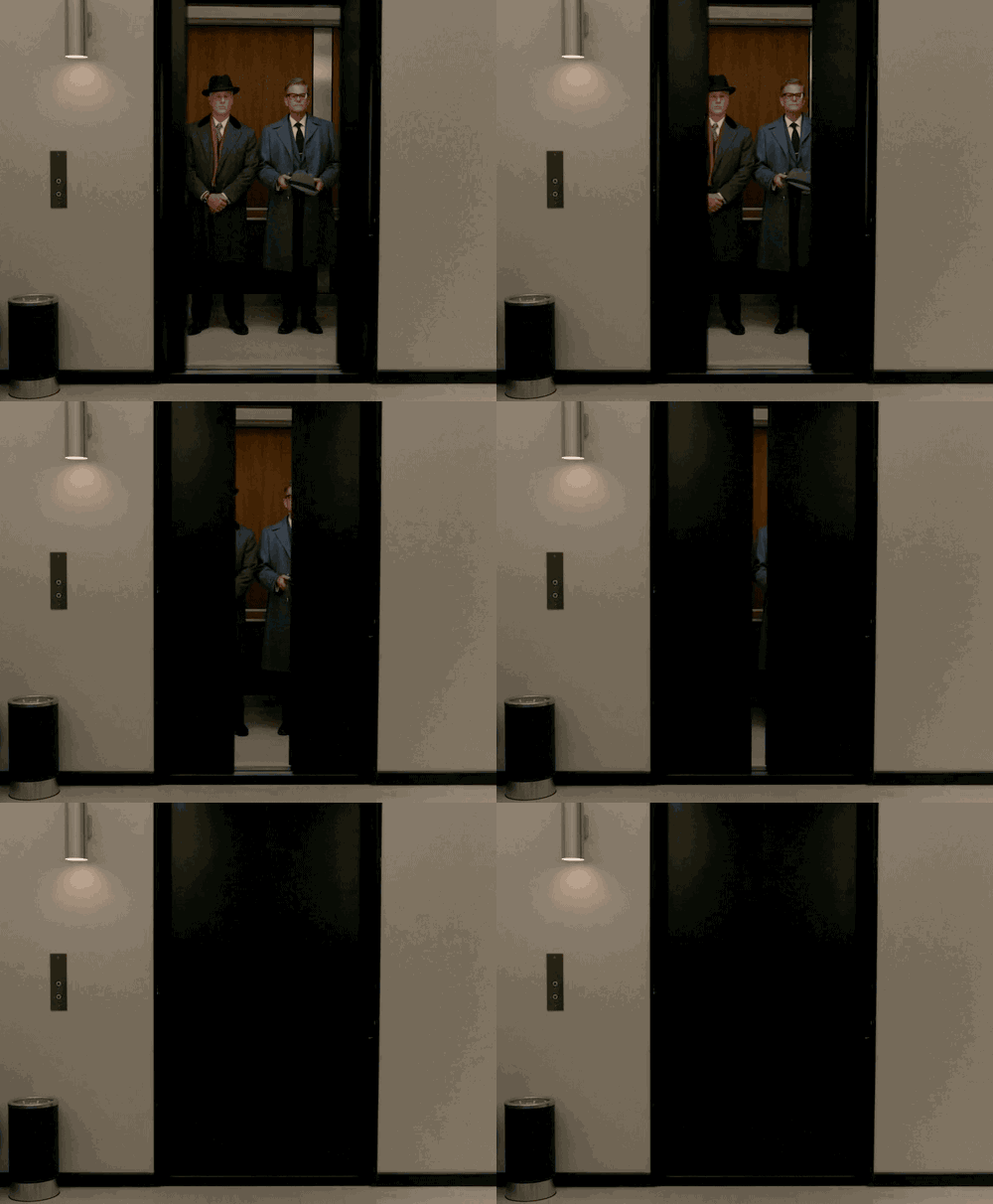
A nondescript elevator with two white guys from the 60s madmen era with fedoras with the doors closing.

There isn’t anything authentic about a convention center. It is the Muzak® of buildings. Taking strains of something that had a soul and stripping it of anything that makes it itself.

After lobotomizing originality, next to be removed is anything human. Voice, words, breath, a pause? All excised. Any instrument that conjures an image of fingers racing along keys, pressing a valve, strumming strings, holding a bow or grasping sticks? Also eliminated.

All you have left is a lowest common denominator tempo barely holding up the weakest strains of a strained melody. And when you hear it, the bleached skeleton picked clean of flesh and blood, you get mad. Because it used to be something.

The worst, most generic chain motel gains charm in comparison to the empty cavern of a convention center with its too high ceilings–in case someone booked a boat show and need to showcase a hundred foot yacht, or maybe a grouping of humvees, a tank and a Blackhawk on blocks for a military show of might. People love getting their pics standing near the turret of the tank. But that doesn’t make the convention center any less bland.

The colors in the convention center do not stimulate the rods and cones at the back of your eyes. Even the use of orange, when contrasted with the old wool blue gray in the carpet, doesn’t jiggle your brain. At best, you mark it as something that evokes the color orange and dully move along.

The chairs in the rooms are not camouflaged. Not really, but they could be. They almost always have a gold or silver frame. This is so you can differentiate among the individual units. I was going to say differentiate among them in the dark, but they would all fade together under light, too. The metal does not shine, though. It does not catch your eye. It is matte. Almost a silent signal.

Even the food in the convention center is without taste. Whether it’s a box lunch, purportedly with an Italian sub or a roast beef and horseradish on pretend ciabatta (it’s just the shape of ciabatta), or a sit down meal at an awards dinner, the food tastes like the food in a dream.

You know that dream. The one where you have an ice cream cone in your hand and it’s dripping a bit on the side. It’s piled with two big scoops. And your dream self puts it in your dream mouth and your real brain registers no flavor. I usually wake up then. It’s the equivalent of a nightmare, I guess. Well the food at the convention center is like that. Even the potato chips.

There are windows around the sides of the building. They are huge plates of glass, and yet there are no streams or streaks of light. It just surrounds the building and substitutes glass for walls with no real contrast. Maybe those aren’t windows. Maybe those spans are just a slightly different shade of wall.

Leaving the convention center, there is an exit with a set of stairs. These stairs are dangerous because you can’t tell the steps apart. It’s just that same Muzak® carpeting that leads you out of the Muzak®-filled elevator and out into the noise and the dark or the light of a real street. Look, there’s a pigeon strutting along the sidewalk! Something is alive.


Poured Out

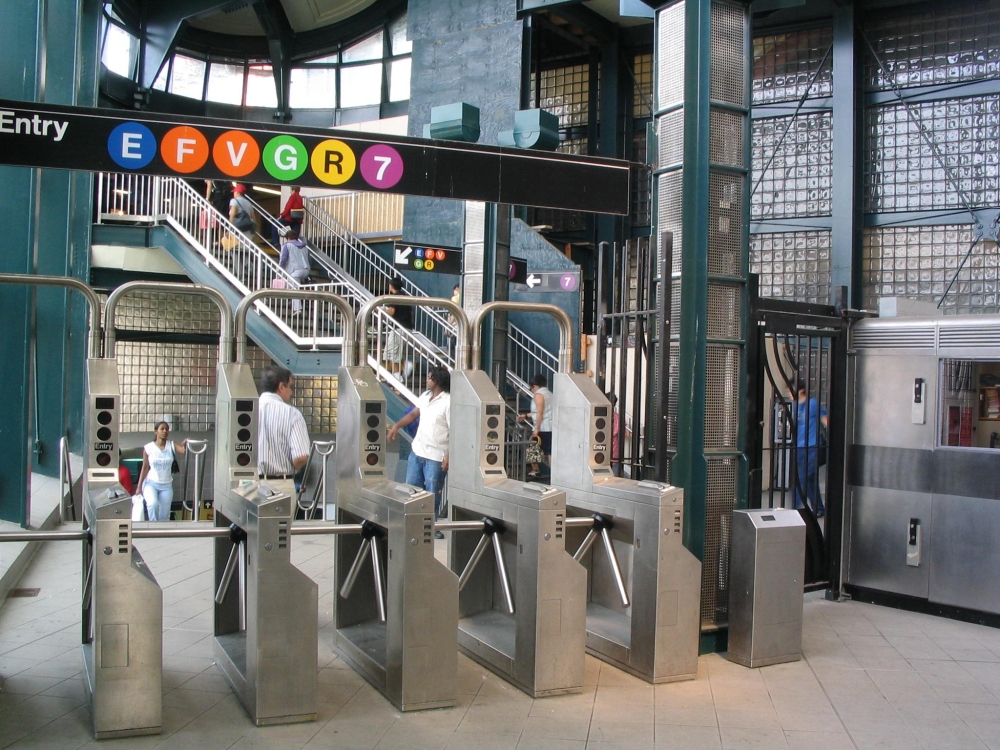
Turnstiles at New York subway stop at 74th station and Roosevelt.

It was his first day on his new job. He wasn’t very good at it.

He always saw himself as an entrepreneur. The business owner. The man who made it happen. Bringing in bank. Making a killing.

This was his first attempt at his own business. He expected a slam dunk. He’d seen others do this work, and they were much less articulate, less attractive and even less orderly than him. They seemed to do okay. He’d do much better.

He stood in the upper level of the subway platform with his khaki flavored jeans, a long sleeved polo and his boat shoes. His brown bangs swept a bit to the side, his lanky seventy-four inches posted up like a beacon.

“Do you have a dollar? Four quarters?”

People looked at him. They thought that he needed a dollar to get on the train, but that wasn’t what he was asking for.

He looked at the people passing by, heading most likely home after a day at museums and festivals and maybe an afternoon tipple. It was Saturday. Nobody was stopping. Nobody even looked at him. No hands went from their pockets to his outstretched hands.

He’d been at this for almost forty-five minutes, and he wasn’t getting any money. He was losing his patience. He stamped his right foot.

“I can’t believe this,” he said, mostly out loud. He directed his frustration to the oncoming passengers by stomping his right foot again and raising both the volume and the pitch of his voice.

“Do you have a dollar? I’m HOME-LESS,” he bleated. He dragged the word homeless out. It sounded whiny and embittered.  He looked like a bro who couldn’t find his frat or someone who was doing a social experiment for his psychology class. People didn’t mark him as needy.

He figured he could make $20-30 in two hours. He saw people putting money in a bum’s cup. The guy didn’t grasp that people commuting on the train to or from downtown were not opening their pocketbooks for every homeless person they encountered.

Some, like him, never give. Some always give. Some give when it’s cold, when someone has a child with them, when someone looks like they need to go to the hospital or whatever tips their generosity scales. There had to be a connection. He wasn’t connecting.

As more people walked by, the guy was getting more resentful. He had been kicked out by his roommates just five weeks into the semester. It was his temper they said. And his awful mouth when he drank. But they all partied and so when things got broken he didn’t understand why they expected him to replace everything. And they were all trying to get laid so he wasn’t any different from them, no matter how that bitch lied. Whatever happened to bros before hoes?

His roommates let him leave his stuff until he found a place. The second night in the park was less of the adventure and more of a drag than the first. And he missed class yesterday and today. But he only had to scrape enough dollars for a bed under a roof for a week. There’d be money in his account at the beginning of the month. Craigslist was the move. Someone always needed a roommate.

This panhandling wasn’t working out. He had forty-six cents. He still had money on his subway card and a few bucks in a pocket. He’d go back to campus and take a shower at the gym. Maybe he could sleep there. He figured he’d stop at the corner store. He had enough for a small bottle. If not, he could sell a few cigarettes to the real bums.

Hopscotch

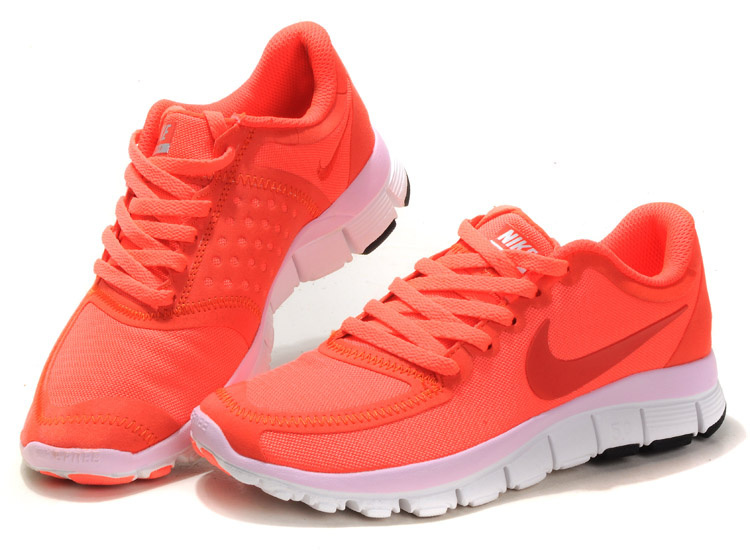
Bright orange sneakers.

It wasn’t actually a lunge. Lunging connotes quick, sudden and direct. Hers was more like a floating surprise into someone else’s space. It was an interruption, but certainly without direction.

The woman who was interrupted expected that she would be asked for money. But she wasn’t. There was no ask. There was no recognition from the glassy eyes bobbing in front of her.

The other woman, the one who floated in a surprising way, was dressed in a bright orange track suit. It may have been velour. It had a fuzzy look to it. It may have been terry cloth. The jacket was zipped up high, up to her neck. The fit of the pant and the jacket made sense on her long body.

She had one of those jumbo wheeled folding shopping carts next to her. It was filled with bags and maybe a blanket. There was a cigarette lighter and a half pack of Newports in the drugstore bag on the top. There was also two orange bottles without the child proof tops. It was her prescription medicine. But it wasn’t the scripts that glazed over her face.

Her eyes were almost hazel. So they were hazel since they had a bit more color than brown. They bulged out a little bit and the whites had thin variegations of red.

The orange sleeves of her jacket, while filled with her arms, seemed to not belong to her torso. They moved independently of her body. Not in a convulsive way, but fitfully aggressing through the nearby air. She levitated back and forth from the curb to the middle of the sidewalk, like a tethered helium balloon that was starting to loose it’s bounce. Her movements were without rhythm, without rhyme, yet fluid.

Gliding in and out of the lunchtime foot traffic, she silently forced the people seeking sandwiches and grain bowls to move out of the way. Most were glad to avoid her, but a few looked for the cup to toss in some coins. When they searched to end of her orange cuff they only saw a burning  menthol that she never drew to her mouth. And then she receded back until her next teeter into the next wave of pedestrians.

Gridlocked

Cars parked on a shady street, next to a speed hump.

Ugh. He hated driving in the city. Well, that’s a little unfair, given he did it every day.

He preferred sitting in his own car to standing shoulder to shoulder to backpack to belly on a subway car. Even if the subway car moved and his car was sitting was in traffic.

He had his route, though. He’d leave his cul de sac. tour through the curvy roads of the subdivision, drive over the bridge and exit at the secret tunnel at E Street. From there it was a few short blocks to the parking garage. He paid dearly for his spot, but he was in control. He shifted his hours so he beat the outbound traffic. All in all, not a bad commute.

Today, though, he had to cross town. He was going to the hockey game and decided, perhaps foolishly, that he could park close to the arena. He wouldn’t need to go back and get his car. He would just need to fork out more city parking lot ransom. But he was calling the shots on his movements.

Until now, that is.

He wasn’t a speed walker, yet he felt confident that he could definitely get to his destination faster via sneaker. He was spending significantly more time with his foot on the brake than the gas. In fact, his forward progress was consisting of rolling a few inches after releasing the brake.

He had started the journey with his favorite rock bands from the 70’s blasting. He had turned off the joyous music and was only listening to the blasting of cool air from the vents. He was feeling no joy. He needed to cool off.

He started off with certainty that he would have a beer or two before the game. Now he wondered if he would get to his seat before players skated onto the ice. He tried looking out the window at the other commuters, to calm himself. Instead he saw a big white truck blocking one of the lanes. The truck wasn’t moving. There were do-gooders loading tables, trays and coolers after feeding the bums. And the bums were streaming across the street, zig zagging between the barely moving cars with styrofoam boxes. They weren’t actually gumming up the traffic any worse, but it looked like they could. That just added to his annoyance.

He was happy, if that is the right word, that he was in the left lane. He wasn’t going to let any of the cars stuck behind the white box truck into his lane. He was out of graciousness. Not without guilt, though. He didn’t try and justify his discourtesy. He was irritable and he owned it. Now he had to get around that truck for his right turn.

The congestion-causing truck made it easy for him to switch lanes. He zeroed in on the unmatched intersection. The north-south street was through, but the east-west didn’t quite match up.This caused additional traffic confusion. He slammed his hands on his steering wheel. He was likely to miss the opening faceoff.

Pedestrians streamed across the unmatched streets, barricading his turn. A trio of cyclists on those stupid city red rent-a-bikes crossed in front of him. They needed to watch where they’re going. There was almost a break in the walkers. He decided to try and thread his Camry through the crowd. If he made a move, maybe some of these idiots would stop walking and he could clear the intersection.

He stopped himself from cursing. His windows were up and nobody would hear him. No reason to uselessly swear.

His eyes darted from one side of the street to the other. Where was he going to park? Now was the time to curse. He thought for sure that there’d be easy parking. His phone rang. He looked down and saw his buddy’s name. He told the unanswered phone, “I’m on my fucking way, alright??” His buddy took the train, and he scanned for a place to put his stupid car.

Falling Behind

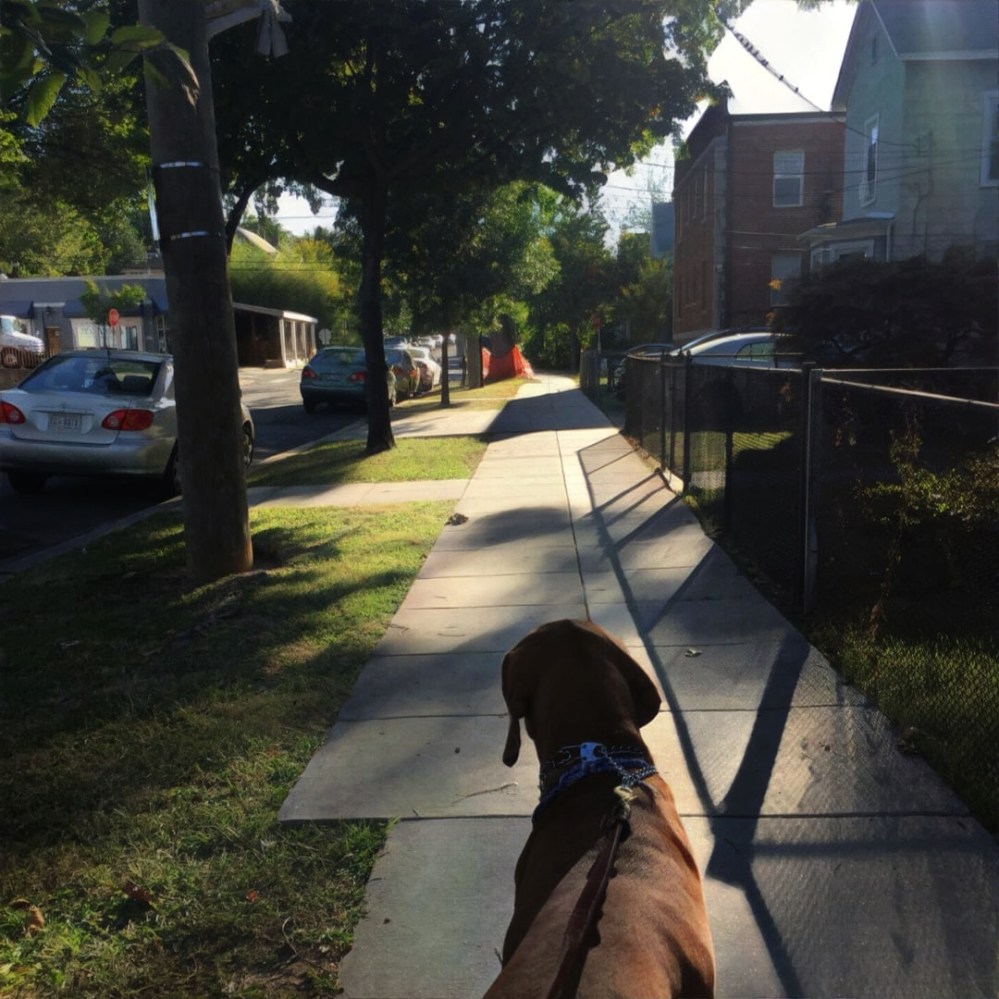
This was a stunning September morning. The Beast led the way.

At the beginning of a conference call, one of the participants gave us the MidWest weather report. According to her, the weather was nice, and that was weird, but that will soon change. That is that both the nice and the weird will change, and the weather will be back to the regularly scheduled bad. It was apropos of nothing. An odd non sequitur. And not very interesting, bless her heart.

How many times have I written about the weather this year. Six times? Maybe ten? How many ways can I describe the change in weather? The heat? The cool? The sun filtering through the trees, making shadows on the sidewalk, sending up an artist’s palette of colors?

How many times have I posted my morning stroll? It is always about the air–crisp, heavy, frigid, humid. It’s about the light–dark, bright, layered, orange or purple. Storms–rain, snow or just wind–have provided fodder for my daily writing struggle.

Is it enough that I’m using the weather as a tool to write descriptively? Is it better that I sometimes use the weather as a metaphor? Is it of value that I use the weather to transmit a small tale?

Have I committed the worst sin of writing, by boring you, My Loyal Reader?

I took on the challenge to write every day. I know that the quality is uneven. I know that there has been more than a score, maybe even four score, of less than stellar results. But dull?

Maybe I’ll reconsider my framing. I’m not delivering a weather report. I am describing the environment–how it looks and how it smells and how it feels and how it sounds. I am practicing using words to share details so you can imagine what I am thinking, so you have some context, and to bring us closer together.

This morning the shadows were longer and the air was cooler. I stepped onto the porch but kept my hand on the door handle to push it back open. I needed a little something.

I went to the hall closet and found my black Hope and Change hoodie. It’s eight years old now. It’s stretched out at the cuffs, the zipper catches on loose threads at the bottom and there are little holes in the left pocket, the one that holds the treats. I blame the Beast.

I pulled on the worn fleece, but didn’t zip it.

The leaves on the trees were still green, but some had given up. The sidewalk was spotted with dry leaves. They skittered along the concrete until they crunched under paw or sneaker. Definitely a sign.

We’re on the cusp of the next season. But we’re not there, yet. Summer still has some breath left. She will be elbowing back and forth with Fall for the next few weeks. Until Fall wins the match. I never did pack my sweaters away. Now it’s definitely too late.

As always, Loyal Reader, thank you for your time and for imbibing with me and my thinkings through another season. Almost time to pack away the summer.

Giving Exactly Zero

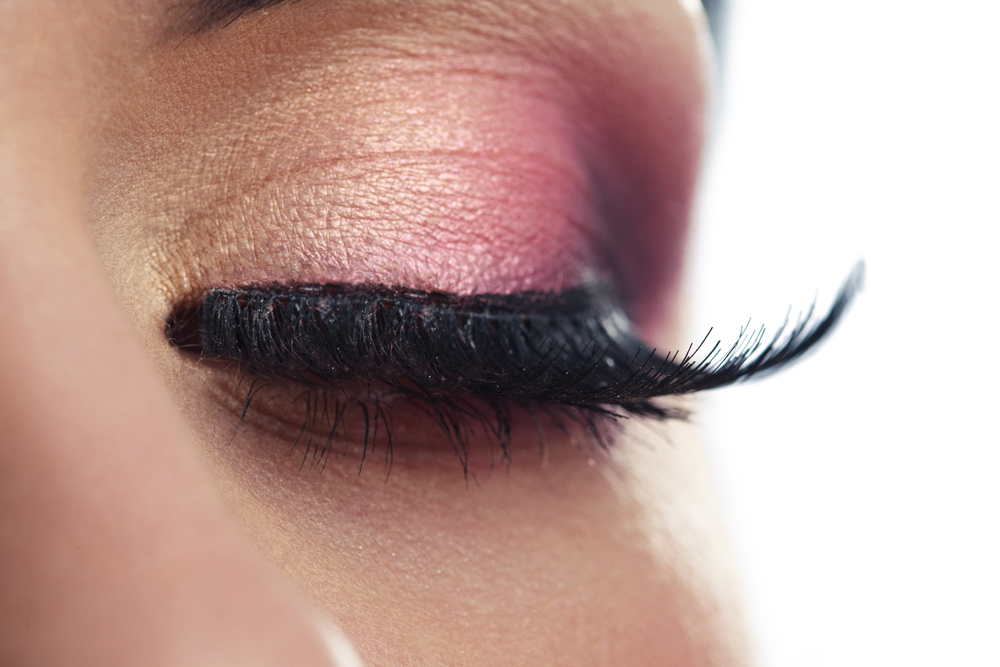
long and luxurious lashes. obviously fake.

She was pretty. Her hair framed her face and the horizon beyond in cascades of copper ringlets. They were very fine. Like a chain that would knot if you rubbed it between your fingers.

She wore a crown, of sorts, to keep her avalanche of hair from overtaking her face.It was likely a stretchy beaded band.  The ornament was a tanned leather, medium brown color. The beads were fashioned together in a star-linked pattern that daisy chained around her head.

She was sitting on a bench on the train platform, sheltered by a billboard. You only saw her when you were in almost directly in front of her, give or take thirty degrees.

She was looking down at the phone she held in her right hand. You could see the light reflected from the glue that attached her long thick very black lashes to whatever lash she was naturally given. There was some black eyeliner to try to cover the glue. It did only an okay job. She had a headphone in one ear, the other bud dangled from its wire, into her lap.

Two fingers of her left hand dangled a lit cigarette. The other three fingers gripped a small paper bag. She brought the bag to her face and you could make out her palm and fingers embracing a cylinder in the sack. It might have been a bottle, but more likely a can. She drew a jolt from the bag, and, while her hand was there, she twisted the burning tobacco to her lips. She drew again.

You couldn’t help but be impressed by her flagrant swilling and smoldering on the platform. This isn’t New York. Consumption is not allowed here.  But she clearly didn’t give rules a thought as she chattered cheerily on her phone call. You hoped she finished her smoke. And you tried to give as little care as she did.