Shook Me All Night Long

Captain Jack Sparrow, offering, or at least toasting you, rum.

He was fit. In that way that the word is used to describe someone who is teetering on the top, but not yet quite over, the hill. Let’s call him Steve.

Steve was a common name in his elementary school. There were two other “Steves” in his fifth grade classroom and seven in all of the fifth grade. They would be called by their first name, Steve, and the initial from their last name. It would be Steve P., or Steve J. It would not be Stevie because you lost the diminutive form of your name before kindergarten–except with your aunts. It would not be Steven because people were never called by their full given name when he was in fifth grade, or even eleventh grade for that matter.

He was born at the very beginning of Gen-X, but was constantly confused with the Baby Boomers. His musical history was Stones, Zep, Rush, the Eagles and Journey to newer music like Bon Jovi and Genesis. Maybe some Men in Work and The Summer of ’69. For hipness there might have been some Elvis Costello and The Clash. Maybe not, though.

He missed out on grunge. He preferred reciting Jenny’s phone number over and over rather than the rhythmic dirge of, All in all is all we are. All in all is all we are. All in all is all we are. Some of his friends just saw their dads on weekends. He came into an uncertain job market after college but did pretty well. He married the friend of his best friend’s sister. They don’t see their old best friends anymore, except on Facebook, to mark their own children’s proms and, most recently, graduations.

It was hot at today’s graduation party but the kegs of beer were on ice and tented with a tarp to protect the brew as well as the brew drinkers. He had a rocks glass in his left hand and a fifth of an artisan whiskey held by it’s neck and trailing down his leg in his right. He was holding it there like Kanye held that bottle of Hennessy the night he interrupted Taylor Swift with “imma let you finish.”

Steve purportedly brought the fine southern bourbon as a gift for the host. The bottle, however, never left his right hand. Sometimes he’d swap his rocks glass out for a clear plastic cup filled with beer. Sometimes he would offer someone else some of the amber booze. Only to men, though. And with a story about the rarity or the exquisiteness or the origin of this particular distillery, punctuated with the adjective “smooth” or the feature “no-burn.” Sometimes the tale included all of this.

He wore the bottle swinging against his thigh like it was a medal or an honor sash. It was almost like a marker of his own substance or significance. As the bottle emptied, his swagger was incrementally augmented. He stopped offering to share his bottle and stopped pouring it into a different container before he drank it. He was pacing himself, though.

The bright sun was replaced by multi-colored party lights hung from the tent poles, tiki torches–which gave everyone a quick rush when they were lit and burned off that petroleum smell–and the light from the French doors leading back into the house.

He drifted away, just on the other side of the tents where his peers were tipping back beers and refilling wines and sharing pictures on their phones from their recent trips to Italy and Ireland and Croatia. The music was loud and carried around from the back of the house past the rows of trees to the neighbors’ acre lot. They were invited and this level of noise was so unusual and it was two hours before midnight so there wasn’t a fear of a complaint. He was down to an inch and a half of liquor at the bottom of his bottle.

It wasn’t clear which woman in the floral sundress was his wife or which clean-shaven young man in a tropical shirt was his son. Nobody was checking in with him. When the tinder was torched for the bonfire, he moved into the circle with the group of people who were now all old enough to bring their own beer to the party at someone’s parents’ house. He sat down on the almost unstable white plastic folding chair. He put the bottle on the ground between his legs and soaked in youth.

He heard the air release from a beer can and called for one. There was a cringe from within a tropical shirt. There’s his kid. The youth next to the boxes of Miller Lite made eye contact with the oldster before he tossed him a can. Underhand rather than the rocket he just hurled to his buddy on the other side of the circle. You don’t want to bean somebody’s dad. Because no matter where the guy sat in the circle, he was somebody’s dad.

Steve pulled the last of the bourbon and opened his beer. Some in the circle around the fire were laughing uproariously. Steve was earnestly tightroping between hanging with the “kids” and dispensing fatherly advice. He was a father. He really couldn’t help it. But he was more than a little drunk, too, so he didn’t realize that he didn’t really belong in this circle. The youths welcomed him, but this wasn’t his tribe.

And then, the band started with the chords from an AC/DC tune. No, Steve. Not the air guitar. Yes. The air guitar.

Steve’s son’s girlfriend turned to him and whispered, “at least he’s not trying to twerk like Liam’s mom.” It was a small consolation, but the young man was consoled. By that and by the next rocket launch of a Miller Lite.

WWDD?

Here's a patriotic elephant, looking all U.S.A. And his friend, the patriotic donkey, also 'merica'd out.

My dad was a New Deal democrat. He had a spate as shop steward at his factory before me and my sibs were conscious. He filed a grievance after he was fired for taking the day–not the whole day–to bring my mom home from the hospital. She was in the hospital to have a baby. Me. He won. For the other guys, too.

I remember him saying that the union should negotiate for a new dental benefit–of which I begot my straight teeth–rather than incrementally higher wages. He thought he was paid well-enough and that the real value of organized labor was ensuring that his family had access to the tools of good health. He was also for the vision plan.

He worked at the forge plant. In Hamtramck. His toughest days were those days when he had to put out fires. Literally. He’d come home smelling of burning factory with a bit of ash on his cheek as he made his way to the shower. On days his relief didn’t show up, he had to stay at his post. He’d work a double. He couldn’t leave.

He’d get two days off in a row. Each week they would slide one day over so once in a while he’d have a “weekend” off. Weekends weren’t a big part of our family life since the school weekend rarely coincided with his work weekend.

Every fifth or sixth week–I don’t exactly remember but I had it down pat when I was negotiating hard to schedule a trip to Cedar Point–he’d have three consecutive days off. He worked every Christmas Day that I can remember, except one. The calendar dice didn’t roll that way. He did get double time for our troubles. Oh, and he was the only man at ballet class. Again, literally. The only. He took me every week. Sometimes twice a week.

My dad lied to get into the Navy. He said he was older. He was as much looking to sow oats, of the wild variety thank you very much, as he was to serve. He did both. With distinction. His tats displayed ports in Panama, Honolulu, Manila, Cairo and Cyprus. I never asked him if he sailed through the Suez Canal. I’m thinking about that scene when Lawrence of Arabia looks up from his dusty desert journey to see a ship floating out of the sand. I bet Dad rolled through those sandy straits on a U.S.N. boat. I betcha.

He didn’t talk about his service. I know he did a small stint on a sub, which he hated, and once, offhandedly, he said something that made me know that he knew what embalming fluid smelled like.

After the Big War and a stint stateside after he married and after his discharge, he joined the union.

My dad was also a Reagan Democrat. He had no love for a naval officer nor for a peanut farmer. He was frustrated by an awful economy. The auto companies were on life support. There was a steady exodus to the south for jobs. Jobs with less pay, no benefits and no security. He felt betrayed by his union, was adrift from their agenda. He was offered  a buyout deal to get rid of the guys with seniority. To replace them with lower-waged grunts without the same protections.

He took his decent pension. He took his terrific health benefits. He asked me to look at the agreement because he thought my mid-college educated opinion had value. Any value from that request accrued to me. I didn’t add anything to his thinking, since I agreed with him, but he catapulted me into a new part of my life that was grown and independent and validated. Because my Dad believed in me enough to ask my opinion on something important to his life. Jeez.

But, I digress.

Reagan spoke of resolve, of strength and of the promise that is America. My dad didn’t care about taxes. He did care about the U.S.S.R. He was susceptible to the racist dog whistles of busing and welfare queens with big TVs. He cared most about our future. He saw the solutions for that future through the lens of the past.

I railed against his wrong choice of candidate and party with the fervor of a young idealist at the beginning of life’s trail. He respected my disagreement, and we were never disagreeable.

He voted as Dad (R-MI) for Reagan and Bush 41. Then things got a little murky. I don’t know for sure when he started voting D again, but I know that he voted for John Kerry over George W. Bush. He was cagey about his vote for Al Gore, but based on his disgust over the hanging chads and the results, we think he pulled the D lever. And I know without any doubt at all that he thought that George W. Bush was an idiot. I have no doubt because he told me. More than once. Frequently using colorful language that would crack me up.

I would call home and he’d pick up the phone. We’d exchange a few pleasantries and then he would go full tilt into current events. Not conspiracy crap. Not anybody’s party line. Nope. He would read the newspaper (I don’t know how given he was mostly blind) and listen to the radio and watch multiple newscasts, including the Sunday morning public affairs shows. So he was always well informed. And he had a definite point of view.

I loved how he’d get riled up, and we’d get a good exchange going. Then, in the background, I’d hear my mother shouting, “SPOUSE! SPOUSE! What are you talking about? NOBODY cares about what you think.”

She was wrong. I cared very much. He kept me plugged in to where I was from and provided an analysis that I could agree or disagree with, but was an articulation of one American’s legit point of view.

She’d grab the phone away sometimes, just giving me and Dad enough time to share our I-love-yous as the receiver left his hands. But I’d get to talk with him next time, likely the next week, and we would continue. I would just say George Bush to him sometimes. It was my trigger to get him going. I was never disappointed.

My father never had the experience of watching Barack Obama run against Hillary Clinton during the 2008 election. My last discussion of national polictics with him was in early June of 2007. I don’t know if he would have cast a vote for our first African-American president, but I really believe that he would. Because of how I know, I mean knew, him.

I’ve been thinking about my Dad a lot during this presidential campaign dirge. Mostly, I’m thinking WWDD? What would Dad do?

Would he be enraged and engaged with Trump? I don’t really see any of the other Rs inflaming his fancy, but there are some parts of Trump that might appeal to him. Would he settle on Hillary as a solid, but flawed, answer for the next four years? I can see him eyeballing Sanders, especially his fervor over Wall Street largesse, but it’s hard to project him as a Bernie Bro.

I use my Dad as a lens to understand good people that I may disagree with. It’s not really right, though, because I can’t stop seeing his depth of field colored by my own focus through my memories of him. My view of him limits how I can use his view. It’s like a hologram of Tupac singing with Snoop, you can literally see through the facade. Or maybe it was just all a dream, an interpretation.

I’ve been thinking about this for months. I’ve created scenarios and opinions that may not be supported by the historical evidence. Maybe me using him, how I contort him to be my representative of a smart, white, working class man, may be simply ridiculous.

And, if I’m perfectly honest, I just might have to say that I don’t actually know WWDD. But I bet it’d be interesting to find out. Damn. I wish I could find out.

Whistleblower

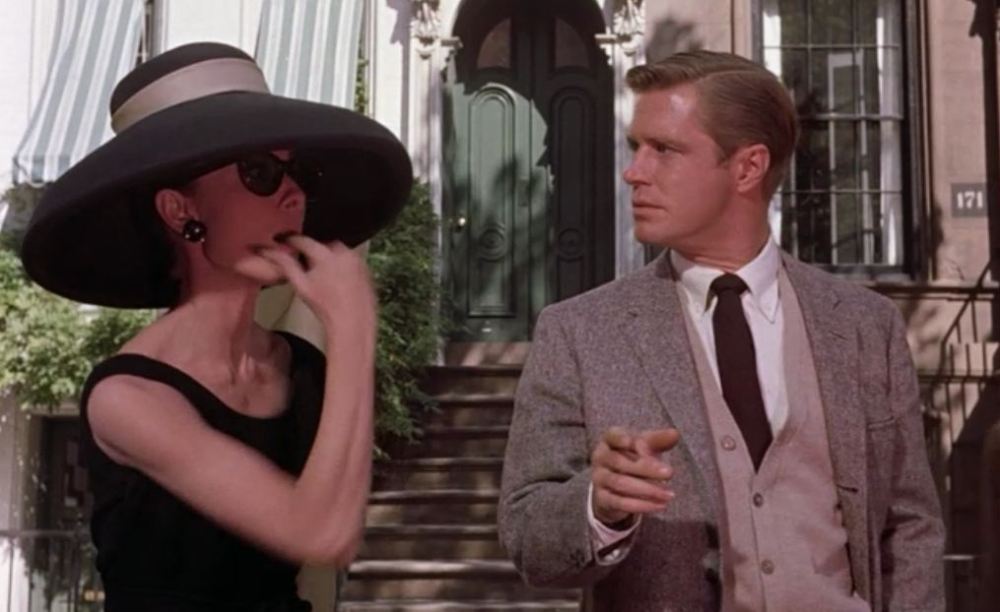
Holly Golightly whistling for a cab. She surprised what's his name.

One day, when I was in my fourth grade gym class, I taught myself to whistle. Gym class was monotonous. I’d either stand waiting to get hit by a dodgeball or hang out on the sidelines after I was bounced out. This day, I filled my mental and physical time by trying to to use my fingers and my mouth to make a fife.

It took the entire hour, but I kept at it. By the end of the period I was dizzy and a little queasy from blowing out more than breathing in. And, this was the good part, I could shape my tongue under my fingers and emit a loud, powerful, high-pitched blast.

It happened gradually. I touched the tip of my thumb to my swear finger to make a ring. This was more natural to me than using fingers from two hands. I opened wide and stuffed my fingers shaped just so into my mouth, and I’d blow. At first, nothing happened. But I was bored so I kept blowing. Then, once, a rushing sound of air, not really a whistle but a sound that was precursor to a whistle materialized. I wasn’t exactly sure how it happened, so I kept blowing.

I had to take a break for a minute before I passed out.

Then, back at it. There was some particular way that my tongue curled just right under my fingers and a special way that I drew in the sides of my mouth, just a bit, to make the sound. Blow. Blow. Blow. A hollow and slight whistle!

More blowing and more contortions of my face and my tongue and my fingers. The sound was coming out more consistently and more whistlely. I didn’t know exactly what I was doing, but I started to conform my lips around the sound. My muscles were wired directly to a part of my brain that wasn’t consciously processing as much as spontaneously adapting. And it happened. Very loudly. More than once. I got it!

I surprised myself, and everyone else. Even the drunk gym teacher. A 65-pound kid put her fingers in her mouth and unleashed a sound that pierced an active gymnasium! I was able to repeat the technique the next day, and the whistle was–improbably–all mine.

Even at double those sixty-five pounds, folks didn’t think it was me. I would wolf-whistle my delight at concerts. I would cheer on my buddies at their important performances, recitals, sporting events and graduations. They knew it was me, but strangers would whip their heads around and past me to see who was making that most impressive noise.

I could stop a cab in the rain with that whistle. Sometimes the cabbies would see me and drive on. It couldn’t be me. I’d signal again and they’d make a u-turn and assess me with admiration.

I used it to call my kids. If they were away–in or out of sight–or we were in a crowd, I could reel them in with the sharp, and to them, familiar sound of my call.

I could get the attention of a noisy room, not just via the pitch but also because of its incongruence with the deliverer, with the locale and with the setting.

Mine was a signal of the working class. It was of my roots. I liked to shock with it. And I was proud of it.

Then, I couldn’t do it.

I had the right side of my tongue excised to get rid of these very stupid squamous cells that decided to grow there. It wasn’t a bunch of tongue, but enough. The missing part makes me talk a little funny, but I am grateful to my amazing speech therapist who helped to minimize my mumble. I’ll tell you one time how much we we worked on enunciating the word “dick.” My choice, not hers.

For a long time after my surgeries, I had numbness in my face and neck. Over the next eighteen months, the feeling came back around my mouth, then through my chin and eventually everywhere. There is still a slight droop on the right side of my mouth. Everybody says I’m crazy, but I can see it. I draw my lipstick on a bit outside of my lip line to perk it up.

My surgeon is very impressed at the flexibility of my tongue. I saw him last week. The scarring is almost non existent. He says it’s very soft. And that’s very good.

I can’t chew gum on the right side of my mouth because it gets stuck there. I can’t get my tongue to roll it back to the other side of my mouth. Also, thin spaghetti noodles. Fat ones work so I stopped buying the thin. That’s it though. Oh, and I can’t whistle.

Every once in awhile, I circle my fingers, touching the tip of my thumb to my swear finger and try to get the sound to come out of my mouth. Sometimes it’s close. And last week as I was walking home from the subway, for the first time in two years, the hoot of a whistle came out of my mouth.

I was VERY surprised.

I couldn’t get it to happen again. I found myself getting dizzy as I strolled home, blowing, blowing, blowing. I’m thinking that I’m going to get it back. Yeah. I’m getting everything back.

Who You Gonna Call?

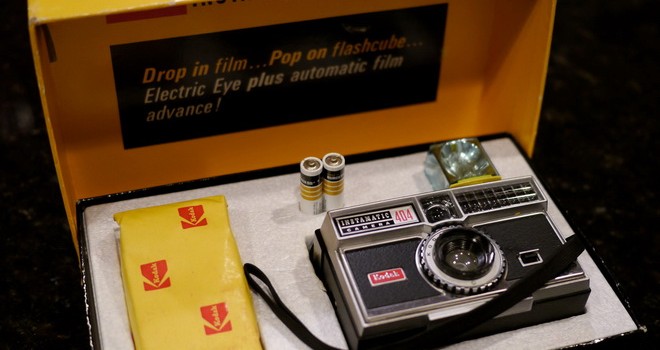
an old Kodak camera kit with magic cube!

People can be very sensitive about their nostalgia.

My Sib refused to see the Starsky and Hutch remake with Ben Stiller and Owen Wilson. In her tween memories it was a serious drama, not a comedy and it was WRONG to make fun of her memories. Frankly, I might be able to watch an old episode if I thought they were trying to be funny. That’s just me. I think my Sib didn’t think that Huggy Bear should be skinny, either.

People got mad when Cap’n Crunch changed the shape of their crunch berries. Or Coke updated it’s can. More than one person declared the end of rock and roll when Walk this Way was sullied with hip hop. Having Aerosmith participate in this outrage was just shy of Bob Dylan going electric.

Robert Plant’s refusal to sing Stairway to Heaven at a Zeppelin reunion tweaked fans since that’s all they wanted to hear. All eight minutes of it. For the encore, thank you very much. Then there’s the destruction of Star Wars, the three that were the second three, because, well, Jar Jar Binks. I get the disgust. I prefer to pretend it didn’t happen, but I’m not angry.

It’s people going back to their high school and becoming hostile because they added a wing, moved the trophy case and put new bleachers in the gym. It’s the lawsuit over the beach houses that got built on the bluff that you used to play pirate on. Childhood officially ruined!

Did the Lego Movie disturb your memories of blocks? The Pirates of the Caribbean film wreck Disneyworld?

Then there’s remaking a movie with a different cast. Never mind that the first time they got Spider-Man right was last week’s Civil War. I get that it’s jarring. Maybe disappointing. But it makes you mad because your perfect Pleasantville memory is disturbed?

Did a live Mowgli disrupt your baby memories of cartoon Mowgli? Outraged by not your favorite Spock? And seriously, did you really prefer the dull original Ocean’s 11 to the delightful remix?

Which leads me to this. Really, really, really don’t pitch an internet fit, lamenting loudly and rudely, that your childhood is trashed–trashed, ruined, destroyed, extinguished, ravaged and wrecked–because of an upcoming Ghostbusters reboot. You didn’t even see it, yet. And if the awful GB cartoon didn’t ruin your life, why the hysteria?

Because women? Ugh. I didn’t need to know that about you. Some days I hate the Internet.


Body Arts

A crazy M. C. Escher print. Wow. The art is amazing!

The housing market fell apart as we were buying our second house. This was most excellent in that we underbid on the property and there were no other players. The poor owners were moving to Delaware, so they were stuck with our offer. It wasn’t really so bad for them, though. They made money on the house, just not as much as they hoped.

On the other hand, we were unable to get a buyer for our old house. We leveraged everything we had to make the new down payment, and then we became landlords.

The first house had been built in the 1880’s. The realtor on that house said it was a decent rental since nothing had knocked it up in more than a hundred years. Seemed right.

I was a bit busy. We closed on house #2 two weeks before The Big Guy was born. Had about enough time to unpack the dishes, set up the furniture and then have a baby.

We needed a signed the lease to buy the new house. Our first tenants were very nice people. Three young women who were “volunteers” for a Lutheran charity. The charity actually rented the house. The people were so nice, they gave the Big Guy a set of sweet books for his first birthday. They paid the rent on time. I was baby-addled so that was all I required.

When they moved out, our next tenants were a rock and roll band.

If you thought these lovely women were nice, you’d be very impressed with the band. The Spouse would go by the house with the Big Guy who would ask about the dwums and the gutaws. The bass player would take his axe out and let the kid touch it. Even as they were going to a show. They’d be late for the kid.

The band was excited that they had a release on vinyl. They were happy to sell CDs, but pined for the sound of diamond on plastic. I think I bought the LP, but we didn’t have a turntable setup. I wonder whatever happened to that record.

Although I was only six or seven years older than they were, we were the people with the baby that owned the house they rented. That made us old. I guess, relatively, they were right. We were parents. They had parents.

One day they came over to our house for something or another to sign. As always, they were generous with their affection to our boy. He had many questions.

Big Guy: Where are your instwuments? [please substitute the “w” sound for every “r.” Makes for a more realistic and cuter dialog.]

Singer: Awww, we left them at the house. Sorry.

Big Guy: That’s okay. [walking around to the bass player, climbing on his lap and tracing the colorful full sleeve on his right arm] Why you have dwawings on your awm?

Bass Player: These are tattoos. They tell stories. This is about where I’m from, this is a bird that flies to far away lands, and this part symbolizes my sister.

He looked up at me, a bit embarrassed.

Bass Player: Sorry.

I knew that he was worried that the old landlady would disapprove of the tattoos and his sharing of his disreputable marks. He was concerned that I would think he was a bad influence on somebody who could not yet make the “R” sound.

Me: Sorry about the tattoos? They don’t bother me. My dad has them. Down both arms.

The Bass Player was quite surprised and not just a little impressed with my wickedness. The Big Guy slid off his lap, walked around to the other side of the table and sidled up next to the singer.

Big Guy: So, where’s your cawtoon? [translation= cartoon; also, his interpretation of the word tattoo]

Singer: [using his index finger to pull the V on his v-neck tee below his left pec] Right here. See this “V”? It’s my wife, Victoria’s initial. She is tattooed right over my heart.

The Big Guy nodded knowingly and approvingly in his three-year-old way. But actually, it was like he did understand.

The drummer was looking for attention.

Drummer: So, where’s my tattoo?

Big Guy: [emphatically, but kindly] You don’t have one.

The mates quickly exchanged looks. The Drummer especially was bemused. Everyone else was amused.

Drummer: Hmmmm. You’re right. I don’t.

I think that the smart Big Guy then gave everyone a hug and went to brush his teeth.

Gardenia of Eden

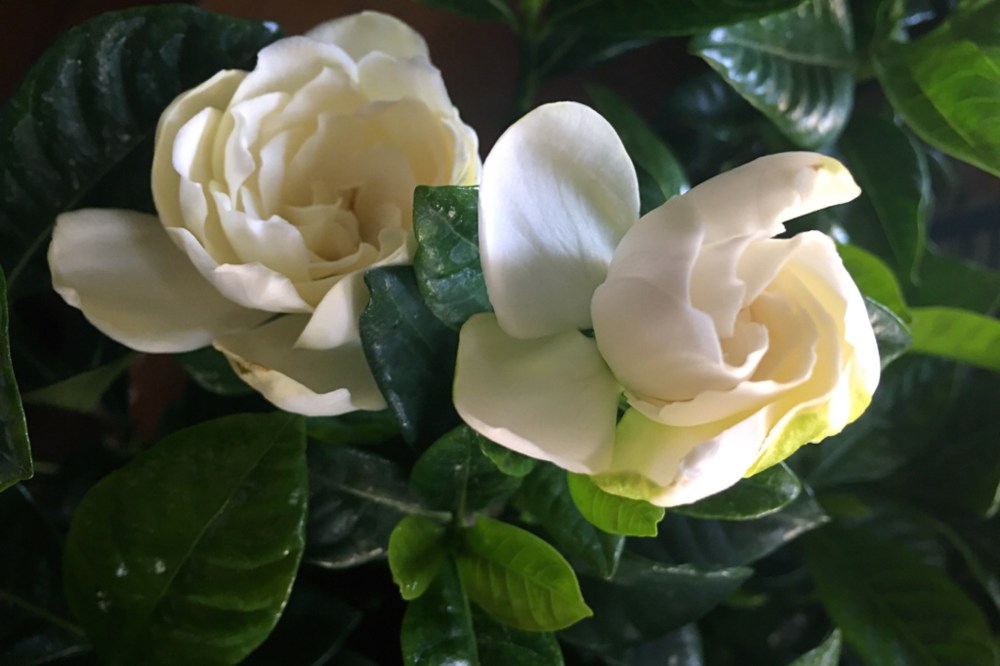
Gardenias. Pretty, no?

Holidays–including the made up Hallmark ones–are different for each of us.

I, for example, do not care for either Halloween or New Year’s Eve. Dressing up like a hot dog or a bird or a sexy fill-in-the-blank has very low appeal to me. I don’t like to be scared. I have too active an imagination to participate in the paranormal without imperiling my ability to walk upstairs when it’s dark. Forget the basement.

As far as NYE goes, there’s always too much anticipation for too little payoff. It’s supposed to be a magical night, but it’s more like a worn card trick than disapparating at an electrified finger snap. Increasingly holding up through midnight is a challenge for my peer group. It’s yawn, clink, kiss and goodnight.

You can like those holidays if you want. There are others that I really like alot–Thanksgiving, Christmas and Fat Tuesday, for examples. You, of course, have your own feelings about those.

Mother’s Day is one that confounds me. It’s a holiday of expectations.

I remember going to see my Grandmother when I was little. I have memories of sometimes dutifully and other times ardently creating cards or noodle necklaces or tissue flowers for my own mother. There was my own first Mother’s Day and the yearly boon of my own either dutifully or ardently crafted gifts. There were flowers sent to my mother and the Spouse’s mother for a number of years until one, and then the other, left us.

Mother’s Day photos and wishes fill up my social media streams. As the middle-aged people take over The Facebook, I’m seeing pics of our mothers from when they were younger than we are now. Glamor shots from their high school yearbooks or square prints from your baby albums with you nestled in your 20-something mother’s arms or bouncing on her lap. I see your eyes, your smiles, your chins and your noses in your mother’s sepia or faded kodachrome face. I see generational shots with long lost greats next to your baby whose grown cap and gown picture you posted this past week.

I feel the losses that you are posting about not being able to call her, or about her looking down on you from heaven or simply a “miss you.”

Absent is the other feels of people who don’t have moms, who aren’t moms, who have lost their children, who hate their moms, who are estranged from their families. There’s waiting by moms to be acknowledged by their kids. The dawning recognition that this will be another year that your family fails to recognize this day–and a lurking envy of people you see with breakfasts in beds, brunches and bunches of dozens. It’s like bittersweet jam, this Mother’s Day thing.

Last year, Baby Bear and I went to see The Avengers: Age of Ultron for Mother’s Day. We bumped into one of his old classmates leaving the theater with his mother. They also saw The Avengers, because what else says Happy Mother’s Day like a super-hero movie? This year the Bear is almost two-thousand miles away.

Yesterday I picked up a gardenia plant at the grocery store. It was a pretty unusual find next to the blueberries. Gardenia’s were my mother’s favorite flower. She would tell of her dates buying her corsages, and, if it was a quality guy, he’d have a gardenia. One year, for Mother’s Day, we bought her a gardenia bush. The scent from the flowers was intoxicating. It only delivered two blooms, but they made me dizzy.

I smelled the gardenia before I saw it with its dark green leaves and bright white flowers. I breathed it in, got a little woozy and put in it my cart. It seemed to me that I was buying a gift for my mother. I bought myself some flowers, too.

Today I got up and watched the yelling shows. I padded around in my pajamas until the afternoon. I made a second pot of coffee. Before The Big Guy went to work, he asked me for a date. We’re going to see Captain America. Because what else says mother’s day like a super-hero movie?

Have a happy day, no matter your position on moms or this greeting card holiday. And, for us, it’s Team Cap, mom and apple pie all the way.

Fell Asleep Beneath the Flowers

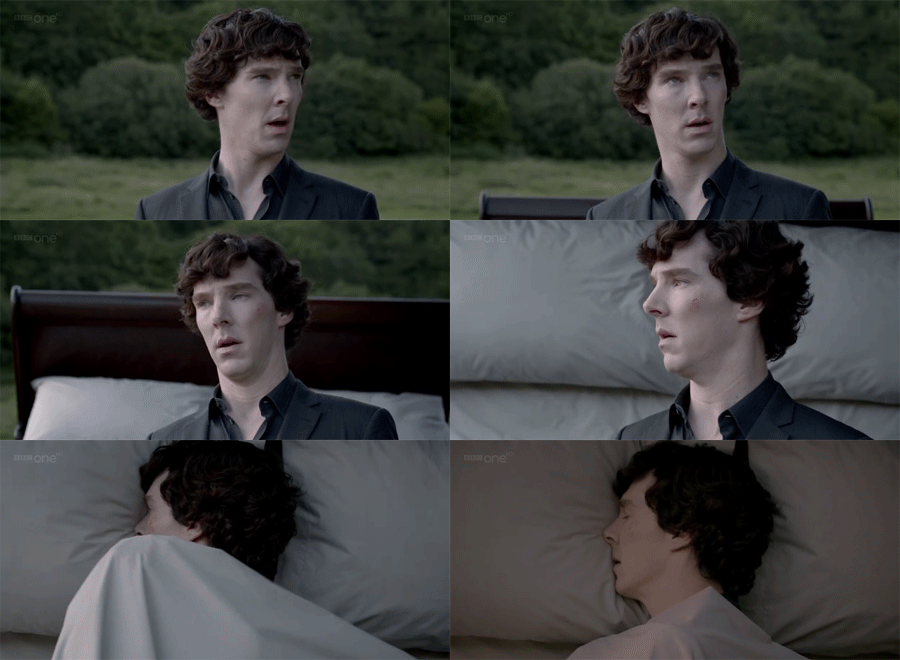
Sherlock Holmes experiences a ridiculous dream.

Window down and the sun warms my elbow as the deep throated scream of a mouth organ asserts itself from the public radio Saturday blues show. Cue the dissolve for a flashback.

[Insert the the strums of a harp interrupting the bass groove. I’m shaking my head violently back and forth, trying to immerse more fully in the memory and erase that damn, incoherent harp.]

It feels like a day for a street festival in Ann Arbor. We’d sit on a paint-peeled porch as the sun was passing the noon mark. We didn’t drink in the morning. Our beverage of choice recipe included plenty of ice, many cans of frozen lemonade and Popov. Our people would gather with the supplies. Sometimes someone would get cocky and bring the Smirnoff. The one with the extra proof.

I don’t think the person who lived at the house with the porch had the blender. I’m sure that we left it there. I’m pretty sure that it was a yard sale find.

It’s a miracle that we didn’t burn that motor out. It’s not like it was a will-it-blend? Vitamix model. No. It was a lowly Oster that probably once belonged to a graduate student. We stuffed it with ice cubes and frozen lemonade and enough vodka to make a slush. We didn’t want to dilute the liquor too much. The ice should have been too much for that cheap blender. But it wasn’t.

Ann Arbor is small enough that the porch could be central. We could get back easily in between bands and when our cups were empty. Or we could just do the brain freeze downing of the slush and leave the cup behind. This method was optimal for dancing, if not for responsible drinking.

We’d find the schedule on a poster plastered on a wall or in the student newspaper. Someone or two would pour over the schedule to optimize our band selections–avoiding the bluegrass and making sure we hit the reggae cover band–and so we would know where to meet up if we were separated.

The best music was the blues. There were old bands and young bands. The young bands were usually made up of white kids who grew up in suburbia and had instruments and listened to Cream, the Stones and others in the British Invasion. They discovered that there was an entire history behind that music. That it originated many generations earlier. There were also the old bands. They were usually more diverse, and had traveled along the circuit from bar to bar. They were done with the circuit and now stayed closer to home. They played when they could. They had day jobs.

When we were lucky, when the sun went down there were bands that were still playing the circuit that would come through. They’d be in the bars after the festival wound down rather than on the street stages during the day.

We’d all be salty and gritty from sweat. Hair would be amuss. Sandaled feet filthy. Maybe someone needed a bandaid. Occasionally someone would bow out due to a sun stroke or bad meat*.

We’d try and get there early enough for a table. We’d order pitchers of the cheap beer. And we’d stand close to what would stand in for a stage, listening to people 10 or 20 or 30 years our senior playing the blues.

We didn’t understand the blues ourselves, but we felt that chord progression. We incorporated the growl of illicit sex–either the cheater or the cheat-tee. Sometimes we couldn’t tell exactly who was wronged. We’d feel the rhythm section through our feet and sometimes the bass would explode directly from our hearts. The thud of the bass drum and the hiss of the snare would knock us woke.

We would stand in front of that stage and sway. We’d sing. We’d dance. We’d make out. We’d feel it. We’d pitch a wang dang doodle all night long.

The tiny snug bars didn’t have dressing rooms or green rooms. The bands would come in, set up and play. They didn’t have a quiet space. For breaks they’d go outside to smoke, get someone older than us cheap kids to buy them a drink. They’d fade into the crowd or hang out near the dumpsters behind the joint. Once, I met up with Koko Taylor in the ladies room. There was a line of cocaine that disappeared from the restroom vanity. Gatemouth Brown and Bobby Blue Bland held services from those risers that stood in for a stage. There were guitarists, horn and harp blowers of renown. We didn’t know.

The bar was dark. It stunk. The floor was sticky. We didn’t tip for shit. We were just college punks, drunk, dirty and loving the blues. And, in festival season, we’d get up the next day and do it again.

What a beautiful day.

[Next time I do a memory, I’m going to fall into the pensieve rather than do the Gilligan’s Island dissolve to the next scene.]

* a euphemism for being sick from drink.  

Do the Mashed Potato

An erupting volcano. It looks hot. And dangerous.

When my mom would get mad, she would use her words–occasionally at a deafening volume. Usually, though, just at an extremely loud volume.

I really can’t remember exactly how she would get wound up. In my memories, she could blow at any time. She didn’t go zero to sixty. She was more like a rocket launch, minus the countdown. Or maybe an exploding mountain top that exposes roiling lava in a crater. Perhaps there were some seismic gurgles or telltale belches of ash, but we were too young, and then too self-absorbed, to predict the eruptions. We weren’t scientists with well calibrated instruments. We were the simple natives that managed the fallout as it occurred.

My dad was the usual target, but when the moon was right, nobody was excepted. The moon was a character in the drama. Her blasts seemed to be tied to hormones. Dad would stand in the garage and warn us before we’d walk into the blast furnace, whispering that she had her period.

Once she was on, it could be days before it was safe. She’d be so primed that the slightest slight could train her sight your way. When she’d blow, we would be very quiet. Don’t poke the bear.

This day the Goddess of Yelling was present. I think Dad was mowing the lawn. We were goofing around in the other room. Since we were kids, and we heard it all the time, we could sometimes be oblivious to the conflict. When we were called into dinner, we brought our foolishness with us.

Mom was yelling at Dad out in the back yard. We were laughing around the table. I threatened My Older Sib with mashed potatoes on my fork. She laughed and loaded her own. She drew it back. I dared her with a raised eyebrow. Her hand slipped and the potatoes catapulted past my right shoulder and landed with a horrifying plop on the rug in the next room.

Horrifying in a way that spawns shrieks of laughter that we could barely contain–but we had to because Mom was walking toward us. But worse, she was walking in her stocking feet toward the potato landmine. Oh God, if she stepped in it, we would be dead. We started to giggle. She didn’t know why we were laughing but she was not happy. She turned her ire to us.

I am sure she asked, in her outside voice, why we were laughing. We, of course, could not tell her. We were both terrified and dangerously amused. One step to her right and she would find out for herself. She was so angry that she started to stomp from one foot to the other, like the angry troll underneath the bridge that the Billy Goats Gruff crossed.

The closer her small white-socked feet came to the potatoes, the more excited we got. Not in a good way and not in a way we could control. “What was so funny?!?”

Big Sib burst out laughing. She had a clear view of our mother and her foot almost touched the food. I turned around and desperately started a long tale of what happened at school. Something in this train of thought had to be funny.

Most fortunately, she wasn’t interested in my narration and the the mad-hopping slowed. She turned, and we held our collective breath as her foot hung in the air over the mashed potatoes piled on the carpet. Everything seemed to stop, except for the giggles that we had to choke back down to their origin. Do. Not. Laugh. It is almost over.

She moved her foot forward above and then past the floor food and stepped away. It was over.

I don’t remember where she went, but I know that we had to remain at the table until the coast was clear. A furiously whispered argument followed on who would defuse the bomb. Big Sib thought it should be me. Her argument was that it was my fault since I, in the parlance of children, started it. I, on the other hand, was sure that it was her responsibility since she was the one who lost control of her fork which was the actual cause of the almost-disaster. Bottom line, neither of us wanted to get caught while cleaning it up.

As was typical, we likely came to the solution of sending in the rookie–the Youngest Sib. The logic was that she was least likely to get in trouble. Mom, at that time, usually spared her the venom. In fairness, she caught her share years later.

So goes my story about mashed potatoes. You know how you grow up and sit around with your folks and come clean about your childhood misadventures. Didn’t happen with this one.

Monkey Shines

Trees at the subway. Washington DC

The boy dropped his dad’s hand at the top of the escalator. He was barely a boy, really, more like just-past baby. It was the end of the day and the rush hour throng was thinning. They, the boy and his dad, had just walked the half-mile from school.

School was what they called where he spent his day. The curriculum was directed by the kids. It included many games that they made up, some reading of stories, much playing outside and eating. The boy liked the eating. He liked the other parts, but he liked the eating.

They would cut through the subway on the way home, coming down the escalator on the west side, walking underneath the tracks and out the other side up the escalator. The boy liked to run through the in between tunnel with his dad.

It was early spring so the shadows were long. The boy wore his green zip up fleece. It wasn’t a bright green, more like a pine green. The cap that he wore over his titian hair was a contrasting blue. This blue was between light blue and aqua blue. More blue than green and more bright and vibrant than light. His cap was also fleecy, but baseball style. It sat on his head with the bill a bit to the left, not centered over his nose.

His nose had the mark of a run-in with a tree. A few days before, he was running–he ran a lot–and forgot to look where he was going. A tree reminded him of where he was. You could still see where the tree stopped him, but the wound was covered with a brown scab on his otherwise smooth, porcelain skin.

He took off down the sidewalk. He ran past the double metal fence that created an unnecessary walkway that only kids used. He didn’t use it today. He ran around it. He didn’t see that the cherry trees lining the walkway were starting to bud. He buzzed past the low evergreen shrubs. They weren’t low to him, though. He couldn’t see above them. Maybe that’s why he missed the cherries behind them.

He ran toward the street, but there was no worry that he would run out into it. He was going to his tree. His dad lengthened his step and reached the tree just as the boy was climbing one of the low branches. The old tree trunk was almost split, so the boy didn’t have to struggle to find his place in it’s arms. This was an apple tree–maybe crabapple–so it was behind the cherry trees in blooming. He perched himself in the tree, about four and a half feet above the ground.

“Daddy, I’m Hans the monkey. And this is my Hans tree.”

Nobody knew where the name Hans came from. There were no monkeys named Hans in his books or in his songs or in his movies. None of his friends or relatives had the name Hans. But there he was, Hans the Monkey, nesting in the tree.

He was close to face level with his dad, as his dad sidled up under the tree and placed his face near his. They shared some nonsense and then his dad started to walk up the rise to the street.

“Come on, Hans.”

The little monkey scampered down the tree and grabbed his dad’s hand. They walked the rest of the way home.

Nobody ever asked who Hans was. That would break the spell.

Moshi Moshi

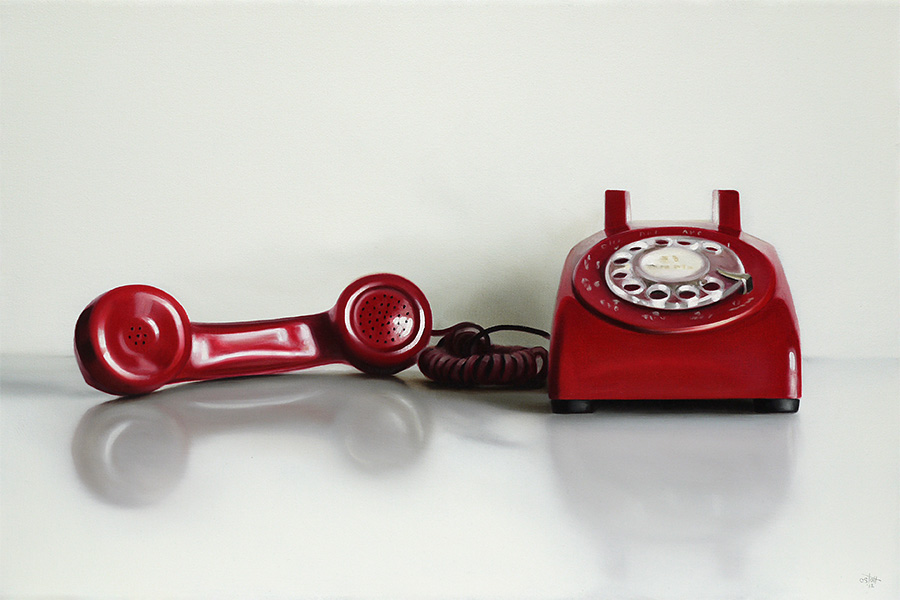
old fashioned rotary phone with the reciever off the hook.

It’s over. I killed the landline.

It was pretty much a waste of budget since nobody has used it in years. We kept the account for Internet–a sluggish DSL service that we never bothered to upgrade because of my absolute HATE for Comcast and because FIOS isn’t an option in our part of Ward 5.

But even after we switched to grown-up Internet, I kept the landline. I said it was because I was being lazy. It was really because I was being sappy.

This was the phone number we had when we we were first married. I put my office number on the invitations to the Spouse’s surprise party and reminded our guests that it would be extraordinarily bad for them to leave a message on our answering machine at home. Only one person did. I don’t think we know them anymore.

This was the line that the Spouse used to tell his Mom that we were going to have a baby. He was instructed to pass the phone over to me. She told me that she didn’t believe him and that she needed to hear it directly from me. Then she whooped.

This was the line that traveled with us from our first house to our current house that delivered more than one conversation with teachers–and more than one conversation with the principal. I dreaded the phone ringing at six o’clock.

This was the line that The Big Guy proudly broadcast his armpit fart version of the ABCs as I sat on the side of the bed in my room on the 33rd floor in a Chicago hotel. The Other Parent had to assist. I pictured the receiver being held inches from his skinny ribs as he went all the way through to X-Y-Z. I don’t remember if that was the call when The Big Guy complained that the Other Parent kept messing up the lunches, but that happened, too. I tucked my boys in via that line every night I was on the road.

This was the line that was attached to the answering machine to which my Sibling delivered a remarkable screed that could be a totally different post except I don’t want to go there. Suffice it to say that I am sorry I wasn’t the first person to hear that message, and I am most sorry that was a very bad turn for us.

This was the line that I would pick up and answer questions about my music preferences, give my opinion of local politicians, take a CDC vaccination survey, test messages with the PR firm for the electric company, and, my favorite, spend time with a stranger talking whiskey. She asked, “When was the last time you drank whiskey?” and I truthfully responded, “about five minutes ago.” The next twenty minutes were hysterical as I asked her to repeat the five choices on the Likert scale almost every time.

A landline is very quaint. It is from a time before we all had our own personal communications devices. It was a shared resource. It created obligations. If I answered the phone I was duty-bound to “take a message.” I had to make sure that it was passed on. My children have never taken a message.

This landline stopped being of any import probably nine or ten years ago. It didn’t bring the news of my parents’ deaths. It didn’t keep me in touch with The Spouse when I was in the hospital. It didn’t participate when someone made the call from the police department. Nobody left messages on it anymore–especially since robocalls don’t count.

I’ve had the same cell number for about fifteen years. I think that everyone who needs to get me has that new number. And now, the old one is gone.

I dialed the old number. I am not sure why. A lady that I didn’t know answered.

The number you have dialed, 2-0-2-2-6-9-3-0-6-5 has been disconnected. No further information is available.

Goodbye.